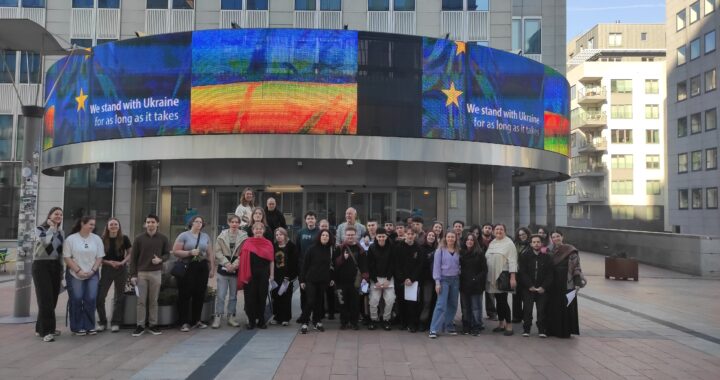
The First Year of the EUCLASS Alliance Pilot
How can we talk about Europe with vocational education and training students in a way that is concrete, relevant to their experiences and genuinely engaging? This question guided the first year of the EUCLASS Alliance pilot, the Jean Monnet project coordinated by ENAC that brings together European schools and educational organisations to strengthen the European dimension of vocational education and training.
The two-year pilot began in autumn 2025. During its first year, six VET providers — ENAC in Italy, Centro San Viator in Spain, Luovi in Finland, Kuressaare Ametikool in Estonia, Firda in the Netherlands and AKMI in Greece — introduced into their classrooms the materials and methodologies developed during the first Teacher Summer School. The aim was not simply to provide information about the European Union, but to test activities capable of making often distant-seeming topics more accessible: institutions, democracy, citizenship, shared values, identity and opportunities for young people.
The project’s shared calendar records 30 activities involving almost 1,000 students.
These figures reflect the breadth and variety of the first year. The most interesting result, however, emerges from the classroom experiences: students participate more and understand better when Europe stops being an abstract subject and becomes something they can discuss, simulate, create and experience.
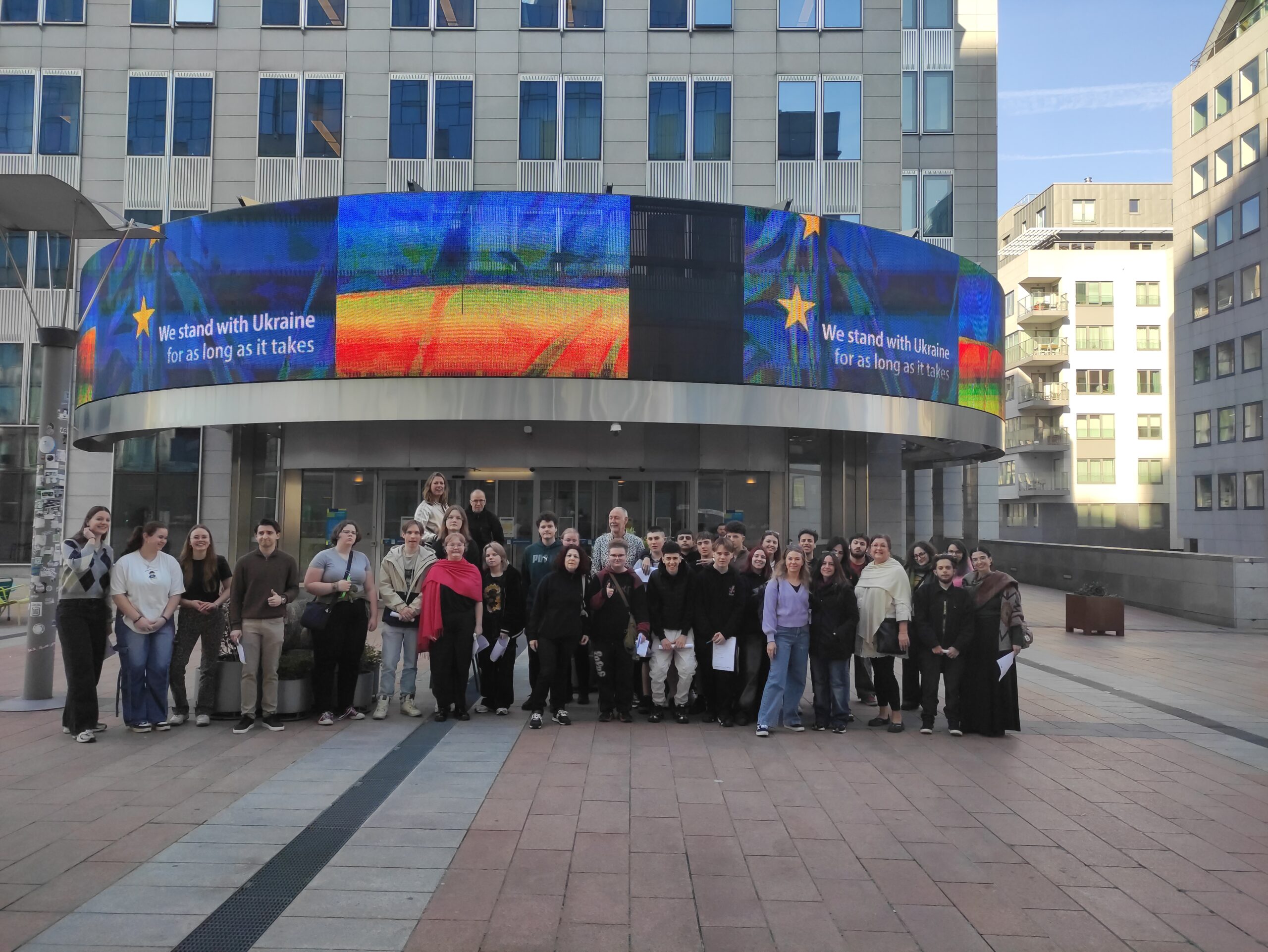
In many of the participating schools, one of the most successful activities was the Moving Debate. In this dynamic format, students take a position on questions such as “Do you feel like a European citizen?” or “Does Europe need to change?”, physically moving between the “I agree” and “I disagree” areas.
After explaining their initial choice and listening to their classmates’ arguments, students can reconsider their opinion and reposition themselves in the room. It is a simple yet powerful exercise that allows them to experience democratic dialogue, active listening and the possibility of changing their point of view.
Simulations also played a central role. In the workshop dedicated to the Maastricht Treaty, the history of European integration became a first-hand experience. Divided into national delegations, students negotiated different interests, built alliances and sought compromises, discovering how essential mediation and listening are to democratic processes.
The 3-Euro Coin workshop, by contrast, began with an everyday object. After analysing the symbols and figures featured on real euro coins, the groups designed a new coin and justified their choices from historical, cultural and civic perspectives.
The Chocolate Directive simulation enabled students to take on the roles of the European Commission, Parliament, Council and Member States. They exchanged views and negotiated with one another to reach a common decision.
In the Mermaid Quota Simulation, the delegations had to agree on how to distribute a limited resource — mermaids — while balancing national and collective interests. In both cases, role play made complex concepts such as cooperation, European decision-making and compromise more accessible.
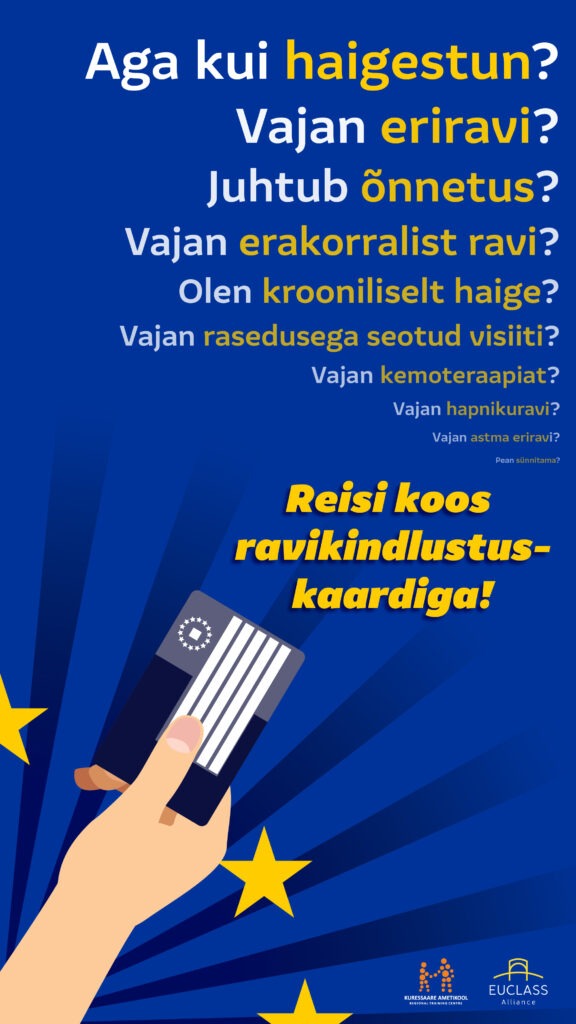
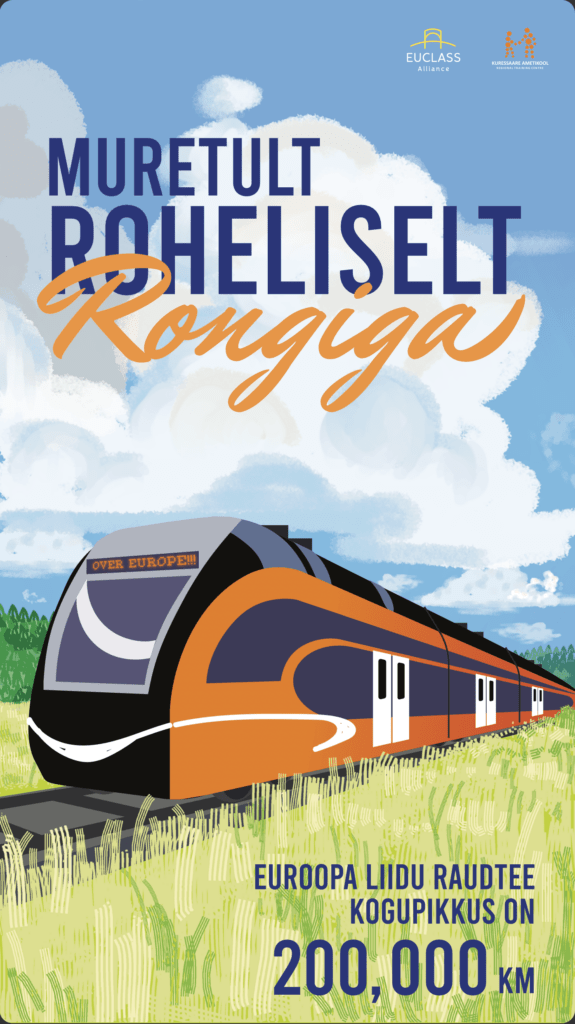
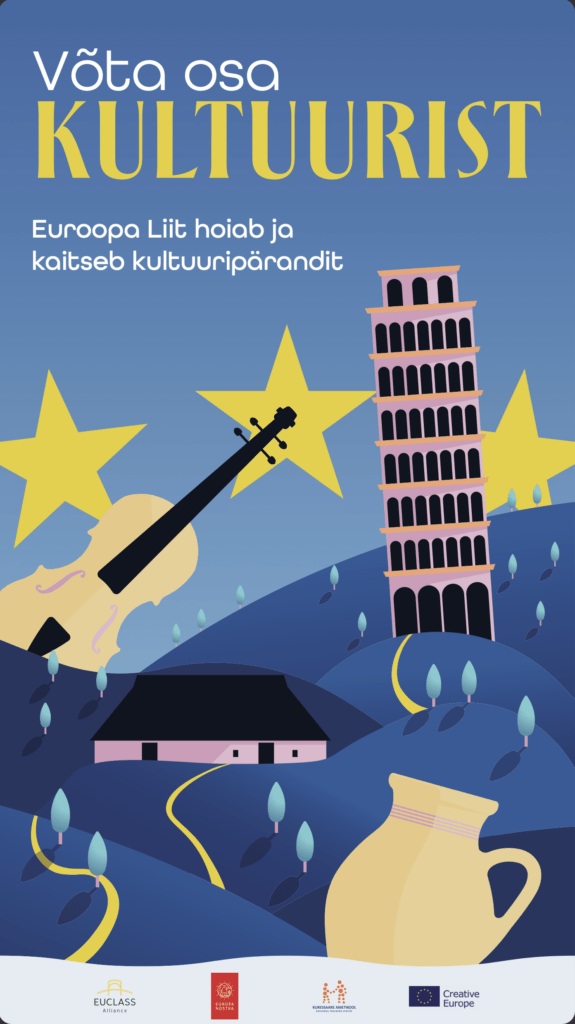
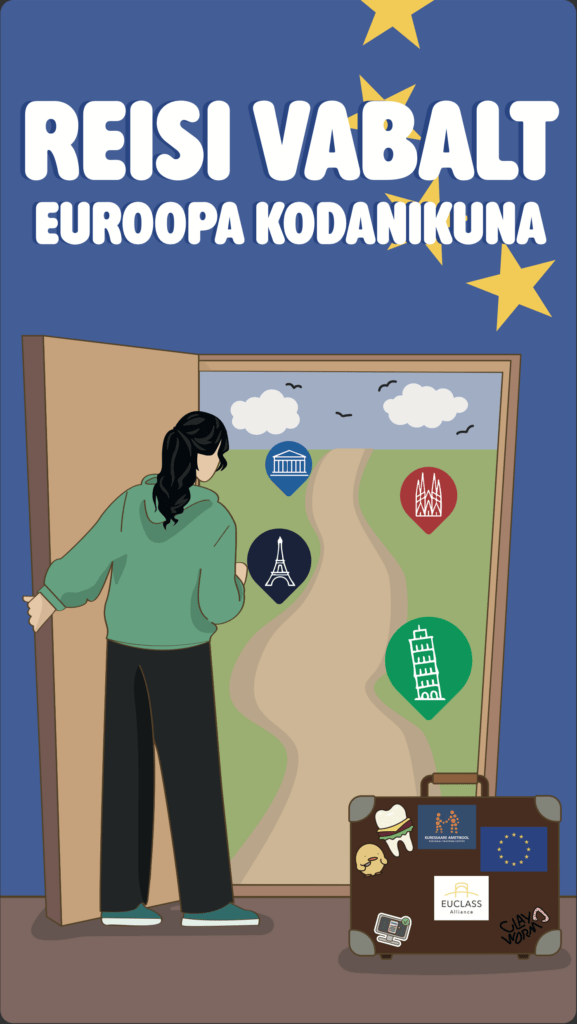
Alongside debates and simulations, the pilot also highlighted students’ creativity and vocational skills. In Estonia, graphic design students at Kuressaare Ametikool produced posters for the My Estonia, My Europe exhibition, transforming their research on the European Union into a professional visual communication project. The posters later became teaching resources for other classes and provided an opportunity for discussion during Europe Week.
In Spain, Centro San Viator turned the European institutions into a mission to be solved. In the Mission Strasbourg escape room, Basic VET students worked in teams to tackle puzzles about EU symbols, citizens’ rights, institutions and European funding. Through clues, maps and collaborative challenges, topics often perceived as remote became concrete, accessible and engaging.
The activities produced different but interconnected learning outcomes: greater knowledge of European institutions and rights, stronger awareness of the EU’s impact on everyday life, and the development of transversal competences such as communication, critical thinking, collaboration, creativity, negotiation and problem-solving.
The comparison between the different experiences also shows that the chosen approach makes a real difference. Expert contributions remain valuable because they provide authoritative knowledge, but long, predominantly lecture-based sessions risk losing students’ attention.
Debates, role plays, visual materials, authentic objects and creative activities make complex concepts more accessible. They also engage students who may find traditional teaching methods more difficult.
The first year closes with a strong foundation and clear guidance for the next phase. During the second year, the schools will continue testing and refining the materials, strengthen online collaborative activities and teacher exchanges, and create further opportunities for students’ voices to be heard.
The feedback collected will help make the activities more accessible, more relevant to different vocational pathways and easier to transfer to other educational contexts.
The most important lesson has already emerged: bringing young people closer to Europe requires more than explaining how its institutions work. They need opportunities to take a position, exchange views, negotiate, create and collaborate across borders. This is how Europe truly enters the classroom and European citizenship becomes a lived experience.