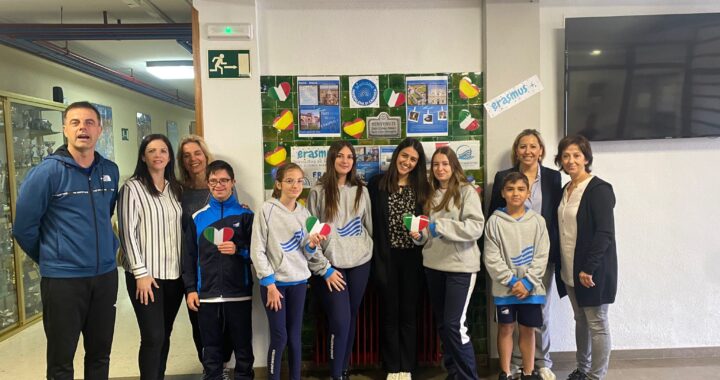
Erasmus mobility continues throughout the spring, with not only students but also staff traveling!
From January to May, 21 ENAC teachers and staff members participated in incoming and outgoing mobility programs.
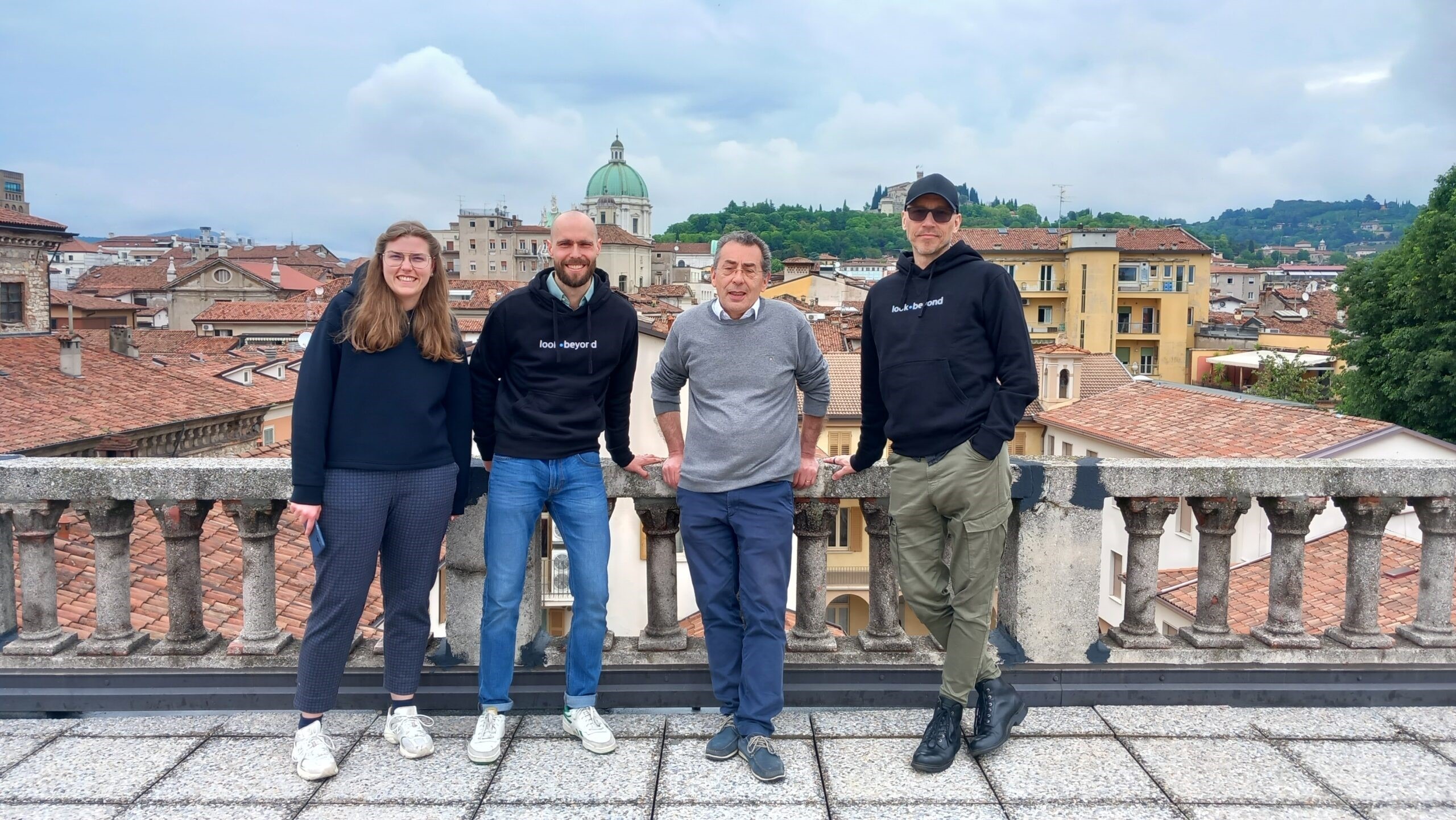
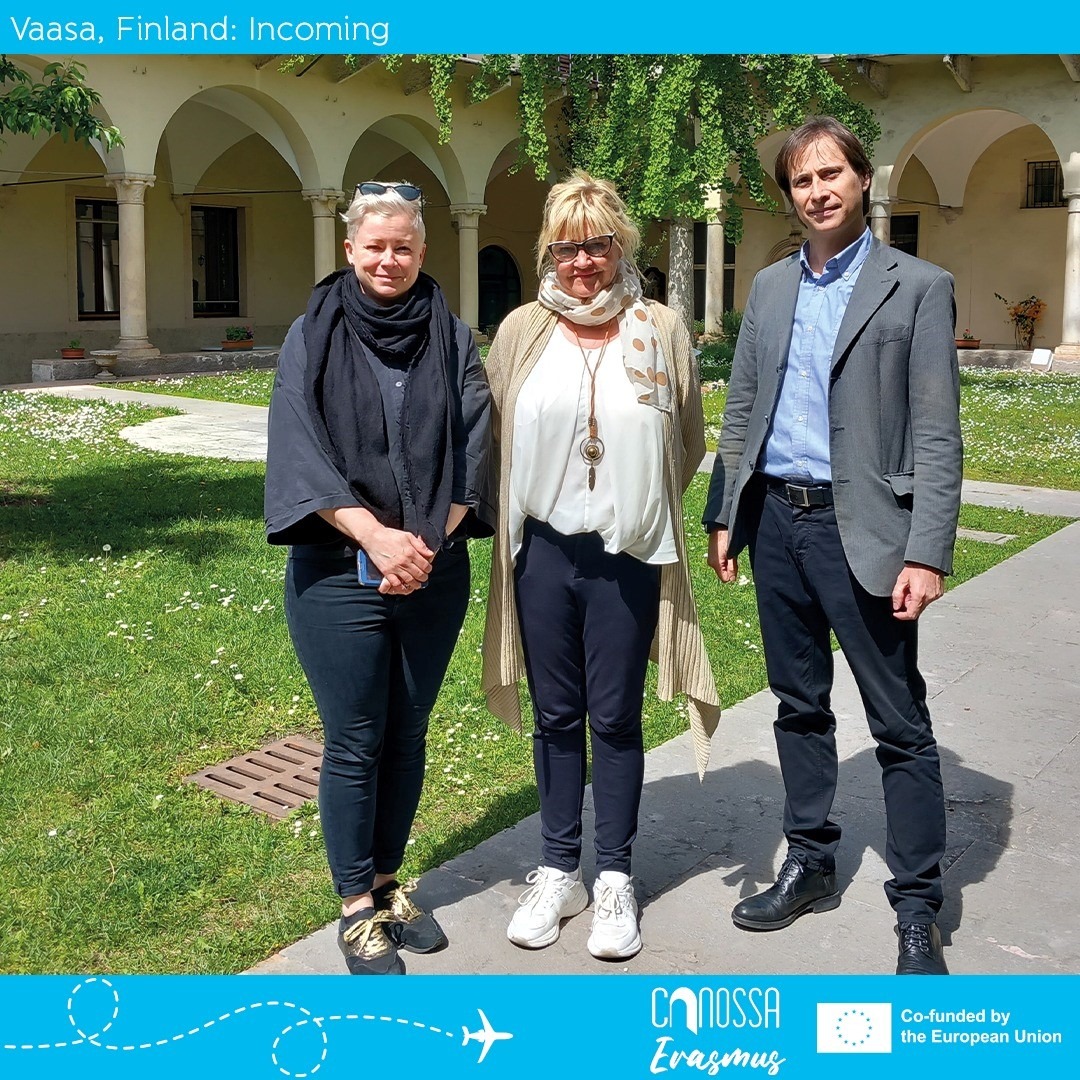
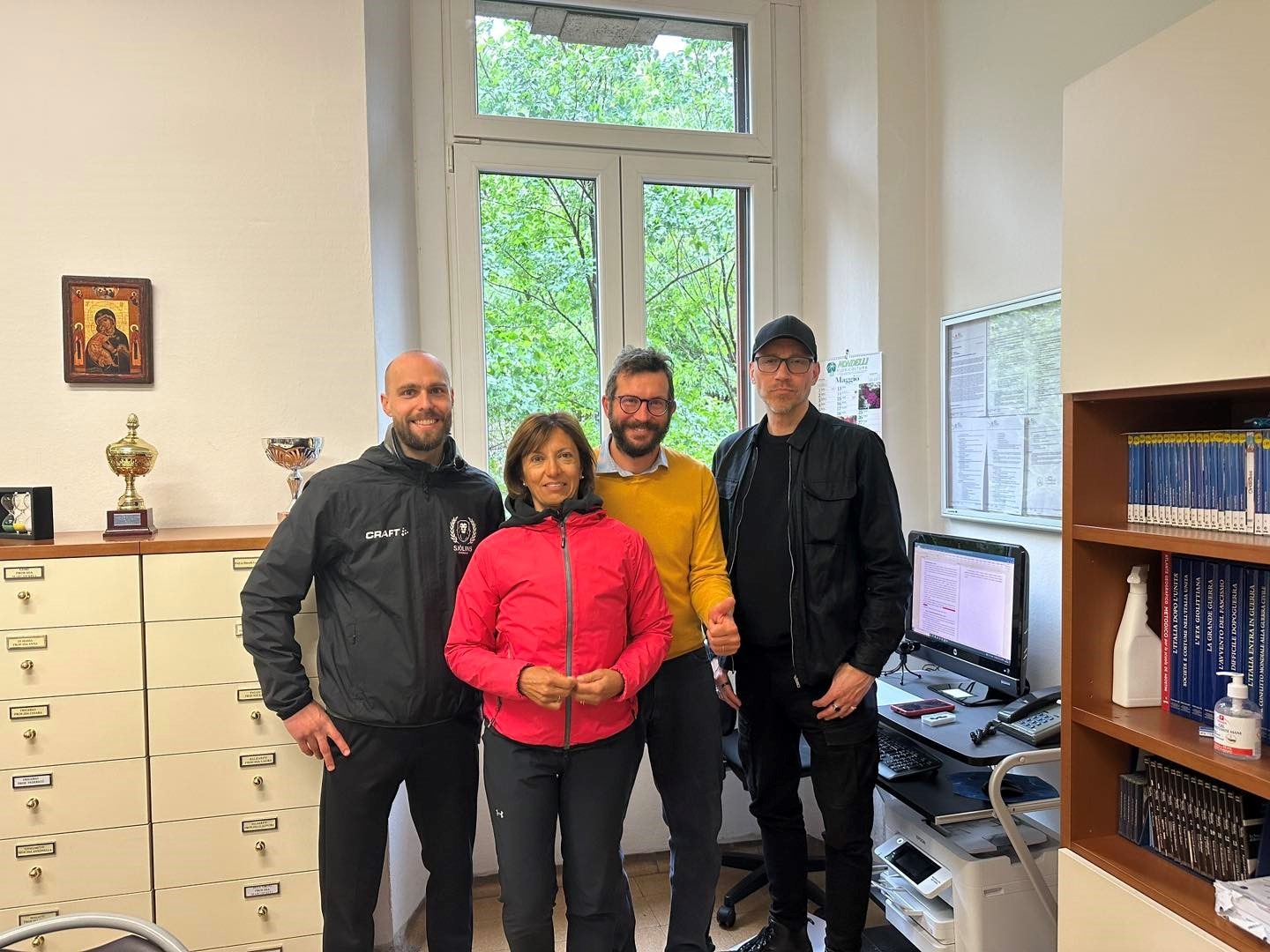
Specifically, Canossian schools and Canossian vocational training centers hosted 10 teachers from all over Europe. Two teachers arrived from the Balearic Islands and visited the vocational training centers in Bagnolo Mella, Brescia, and Magenta. Four Finnish teachers and a coordinator visited the Canossa Campus and the Canossian Institute in Treviso for job shadowing. Two teachers from Finland were guests at the SFP in Verona and visited some local companies, and finally, two teachers from Stockholm visited schools in Como and Brescia.
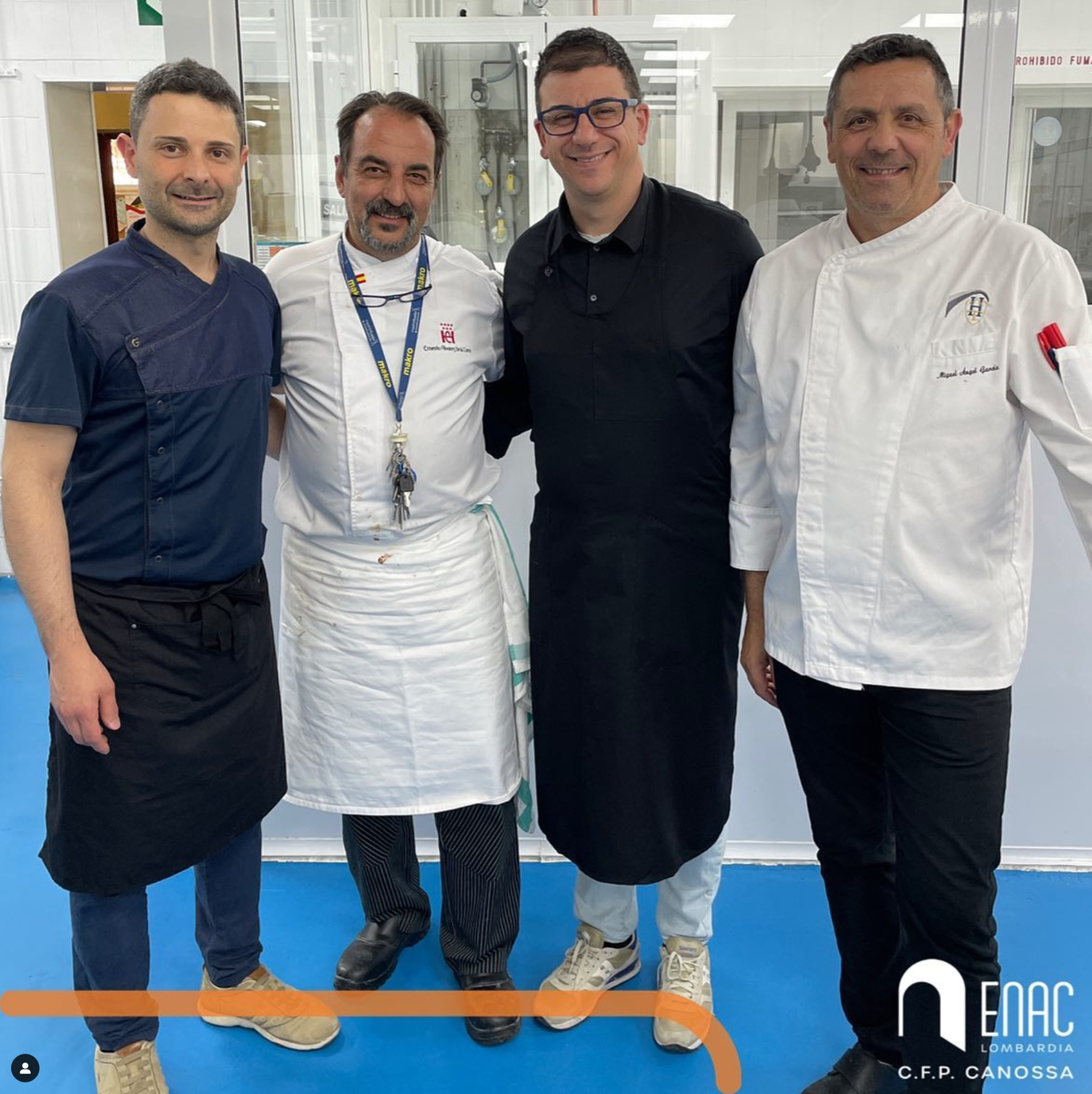
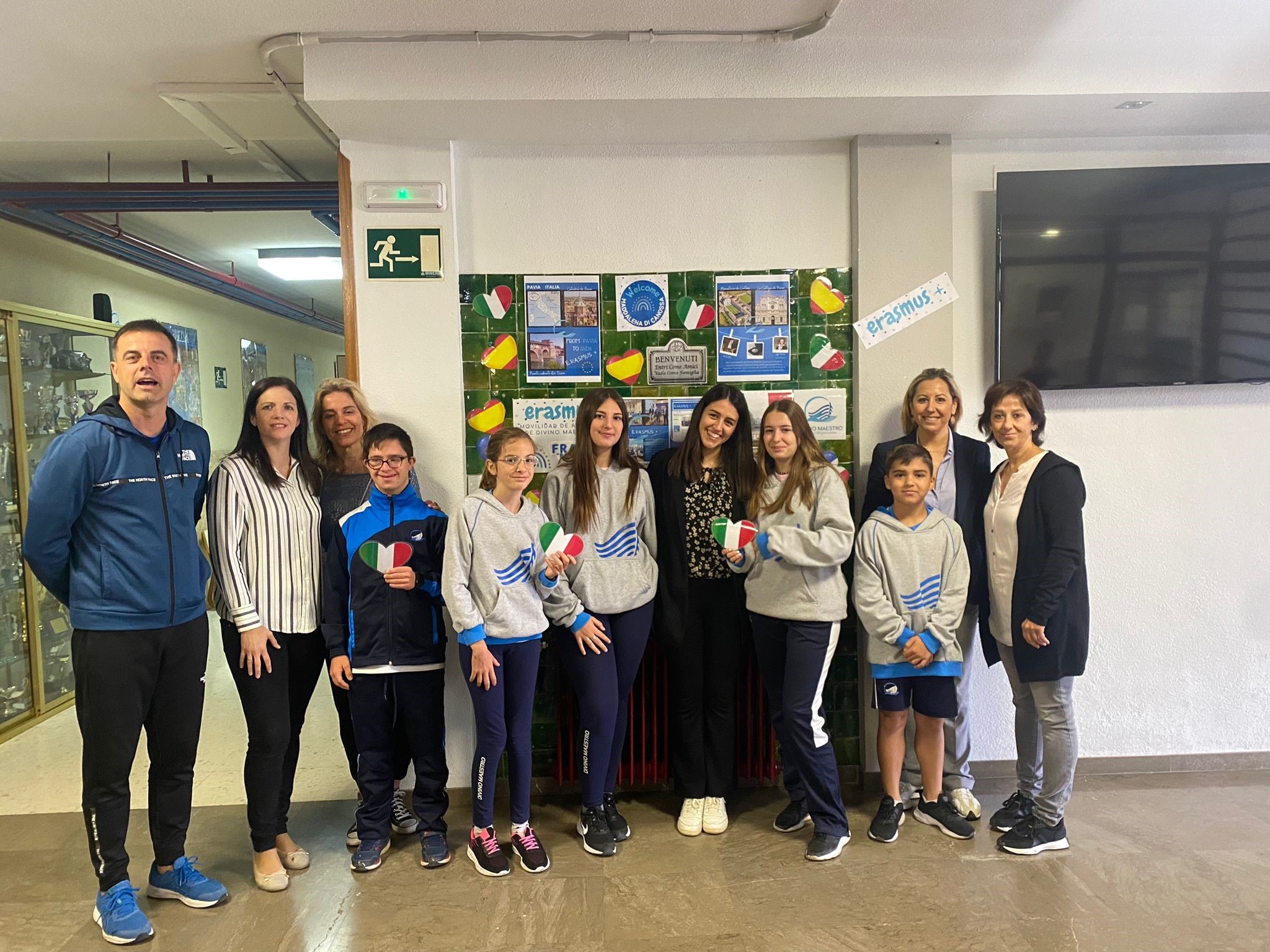
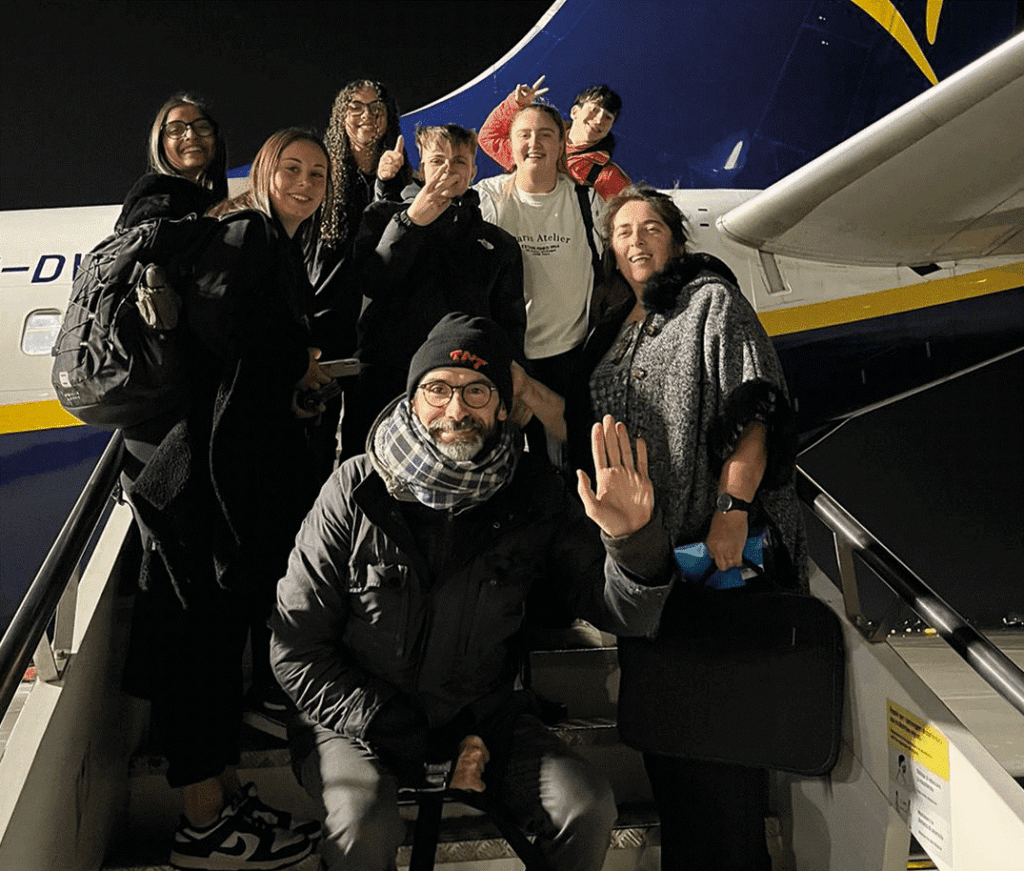
As for outgoing activities, two ENAC designers spent two days at a Dutch college focusing on European project planning and European priorities, two administrators from ENAC and ENAC Veneto took part in a week-long English course in Dublin, Ireland, and a teacher from ENAC Emilia Romagna visited a Dutch college. Two teachers from the CFP in Bagnolo went to Madrid for job shadowing at a vocational training center specializing in cooking and dining room service. Currently, a teacher from the Canossiano Institute in Pavia is at a school in Jaén, Spain, while another teacher from the Canossiano Institute in Rovato has just returned from Enkhuizen in the Netherlands.
There have been many trips involving the Canossian network, and they will continue throughout the summer! You can follow us here to stay up to date on all the mobility initiatives currently underway.
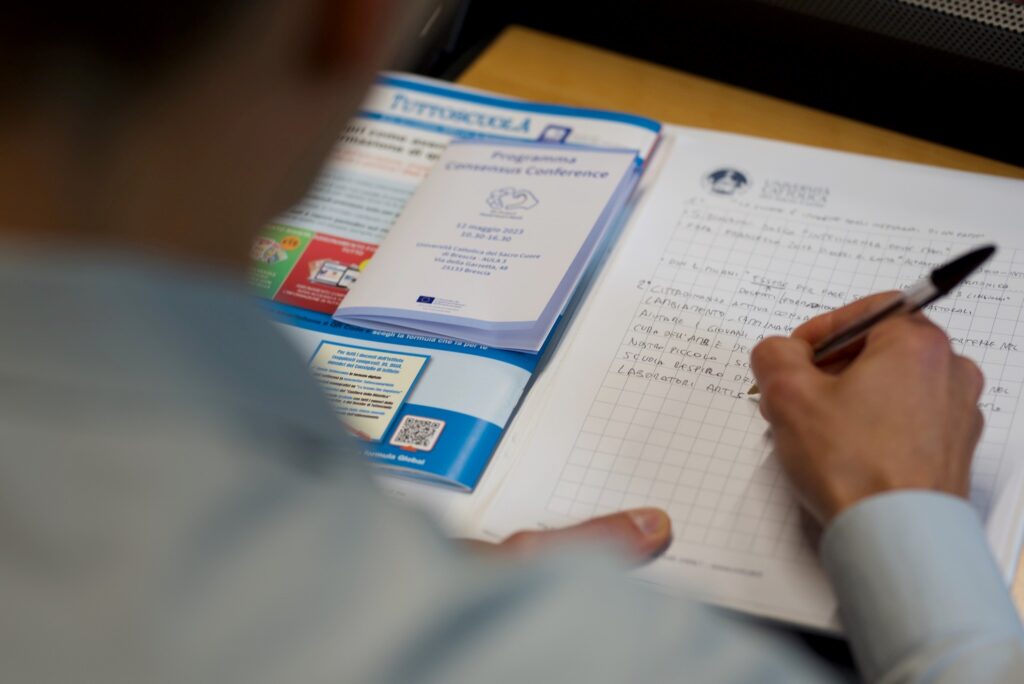
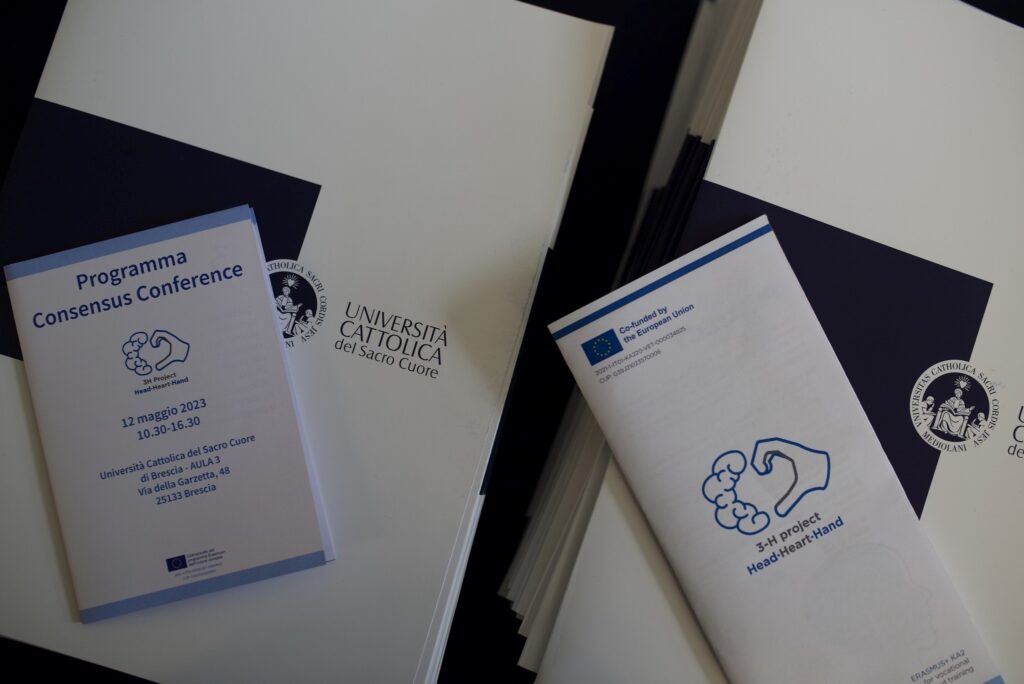
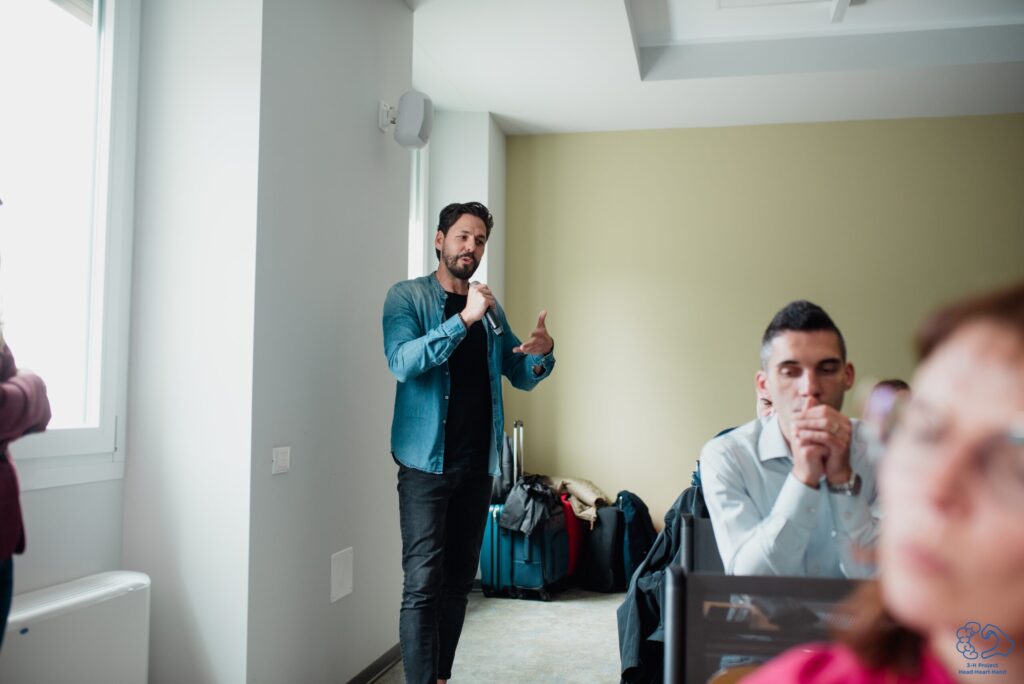
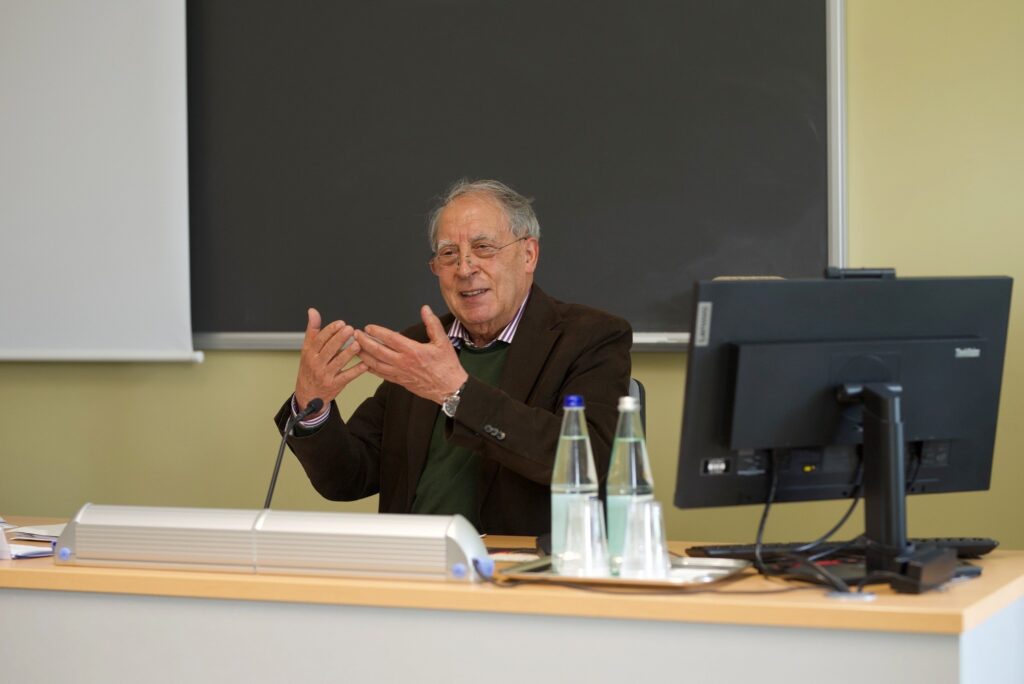
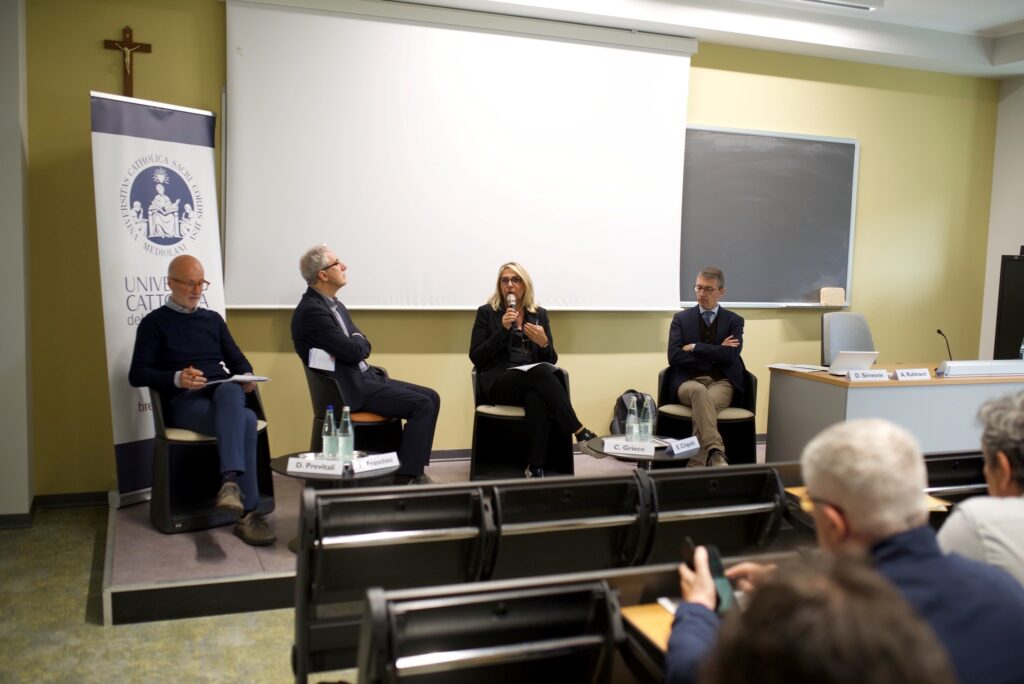
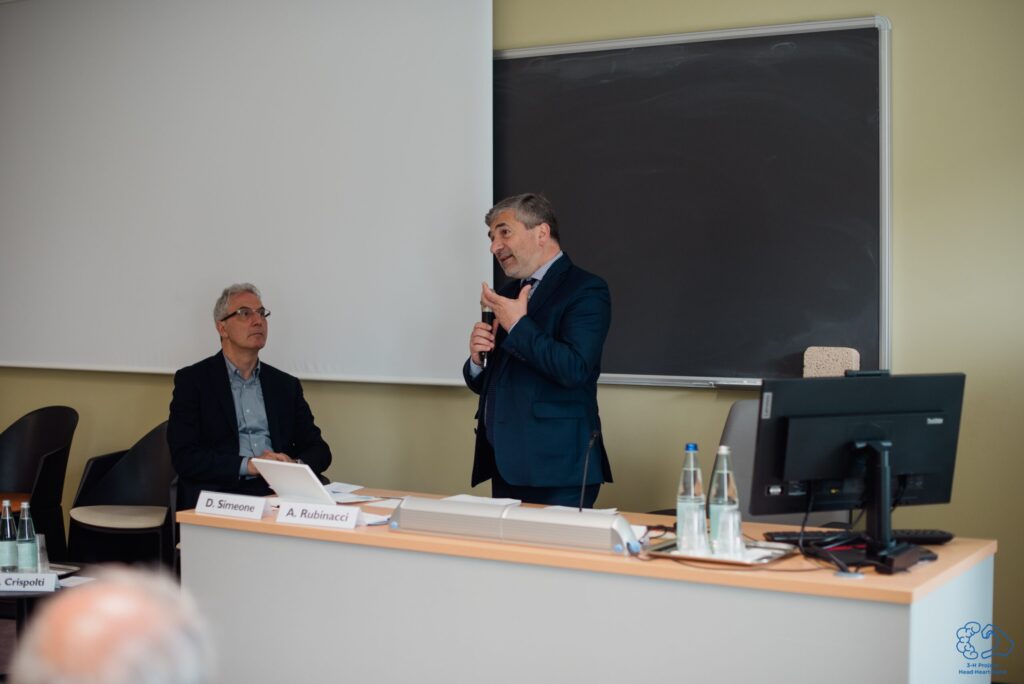
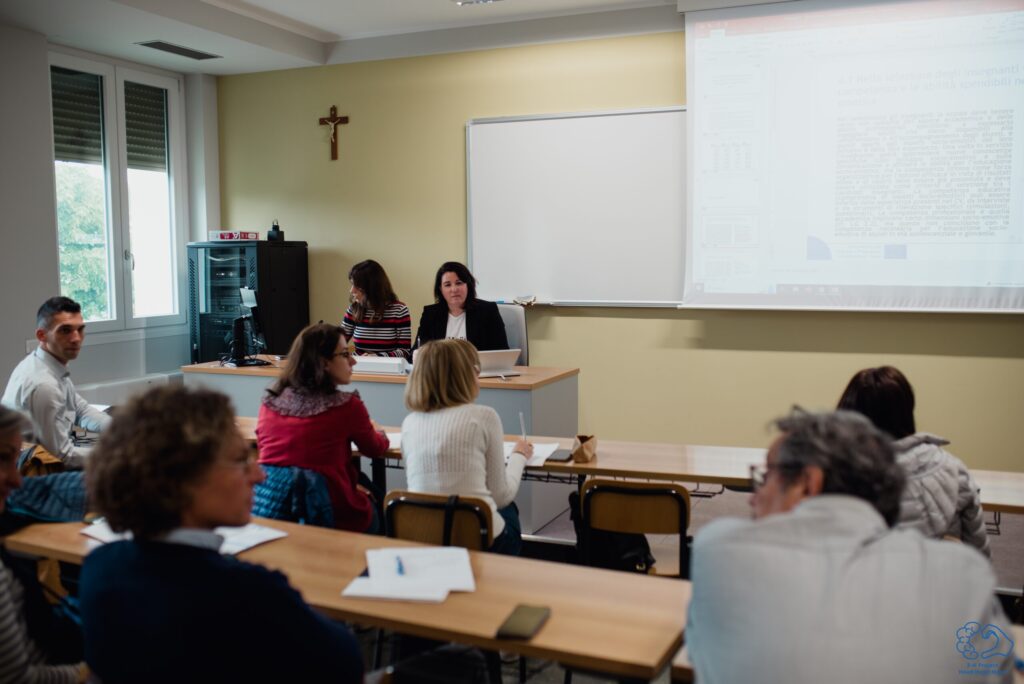
Consensus Conference “Out of my mind Social and emotional learning in education and vocational training” 12 may 2023 – 10:30am – 4.30pm
Università Cattolica del Sacro Cuore di Brescia – AULA 3 Via della Garzetta, 48 25133 Brescia
Vocational education and training, like the education system in general, runs the risk of providing young people with a curriculum that prioritizes cognitive aspects, neglecting integral human formation, with “the three languages that a mature person must know how to speak: the language of the mind, the language of the heart, and the language of the hands (Pope Francis).”
While the roots of Western education (Paideia) were based on virtues, and the great educational charisms recommended training good citizens, for a long time schools lost sight of the richness of their tradition, educating “from the neck up.” In recent years, all international organizations have recommended providing young people with social-emotional skills, considered a compass for tomorrow (Learning Compass) and the foundation of any profession.
The event, the result of research carried out as part of an Erasmus+ Strategic Partnership, is designed to present a pedagogical, didactic, and organizational guideline on this specific mission of educational institutions to the scientific community and the community of practice for their approval.
To this end, the consensus conference will be divided into two parts:
in the morning, after providing an overview of international thinking on the subject, a Compendium of Good Practices and a Set of Guidelines will be presented; in the afternoon, participants will take part in thematic workshops to discuss in detail and validate the guidelines developed within the project
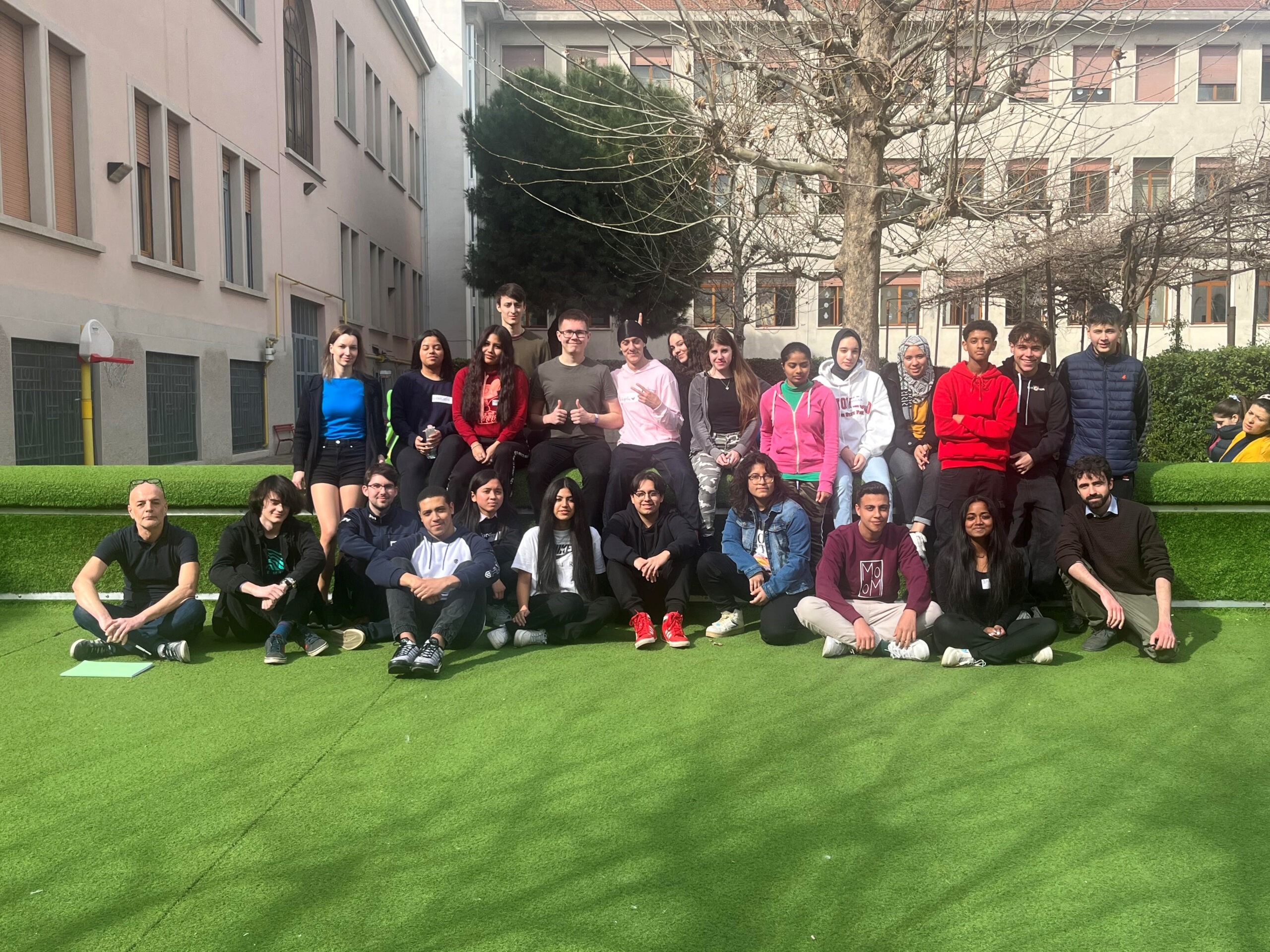
In March, the Milan CFP Canossa headquarters in Via Benaco welcomed five Estonian students studying administration at the Järvamaa Kutsehariduskeskus school.
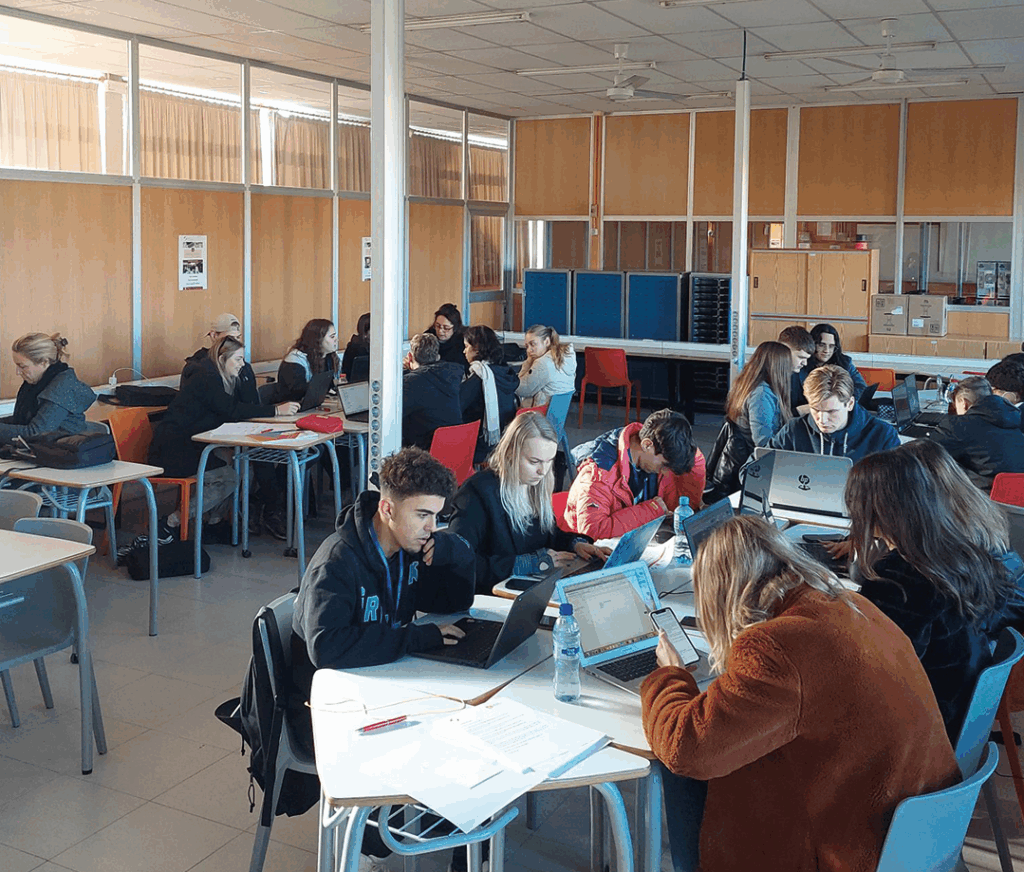
Supported by third- and fourth-year students, they participated in IT lessons in English and carried out various tasks related to the creation of web pages and smartphone apps. They developed an Android smartphone app with App Inventor to manage restaurant reservations.
Here is the experience recounted by Prof. Alessandro Visigalli, IT teacher.
Once again this year, we have the pleasure of hosting five students from JKHK, with the now customary hybrid mobility formula: in February, we held a series of online lessons using Google Meet, during which we talked (among other things) about the tools the students would need to use once they arrived in Milan.
Since March 2, when they finally arrived in Italy, the students have been working on the development of a series of smartphone apps capable of quickly and accurately resolving certain situations in the daily life of the CFP, from the management of refresher courses for teachers to the management of the sandwich service offered by students in the meal preparation course.
During these weeks, Kairi, Andreas, Karl, Margo, and Johannes also participated as classroom tutors in computer science lessons for third-year Business Services Operator students. It was a wonderful experience, especially because we were able to combine the use of English with computer science and work organization skills during classroom training.
Once again, we were very impressed by the skills demonstrated by the Estonian students, so a heartfelt thank you also goes to the JKHK staff, and in particular to Marleen, the Erasmus project manager, for working again this year to make this mobility program a reality. We all hope that this collaboration will become even stronger in the future!
A second article dedicated to the apps created by the students will also be published in the coming days.
During these first few months of the year, there have been many mobility programs involving students and teachers in trips and courses in Europe, both outgoing and incoming.
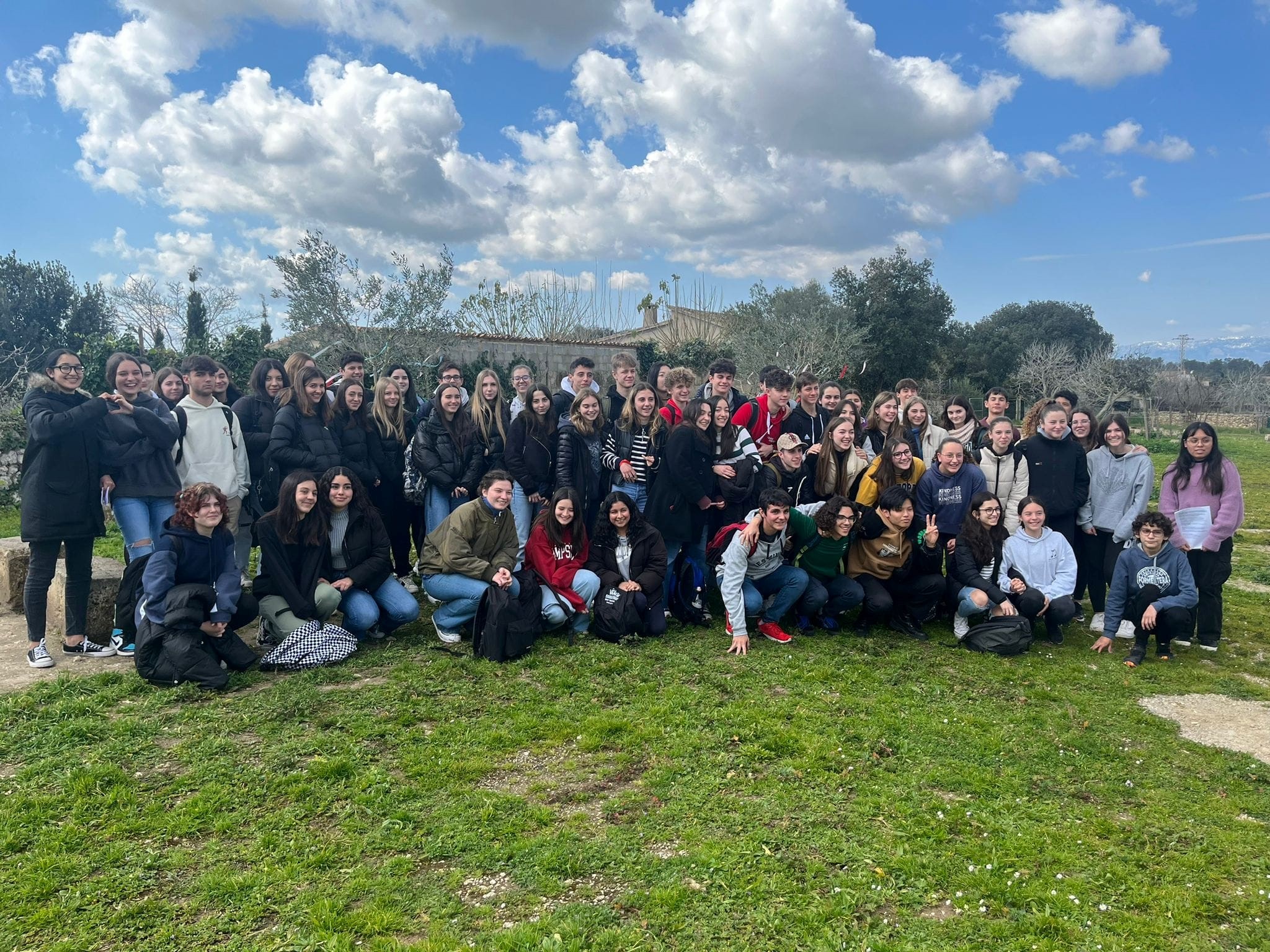
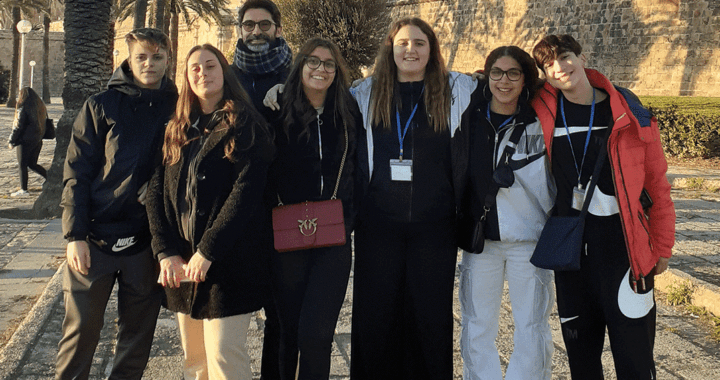
Forty-two high school students participated. Two groups of students from the Barbara Melzi Institute in Legnano and the Matilde di Canossa Institute in Como visited Sineu, Spain, in the Balearic Islands. They were hosted by Spanish families to make the experience even more immersive. In the morning, they attended school, while in the afternoon they were involved in activities with their families and fellow students.
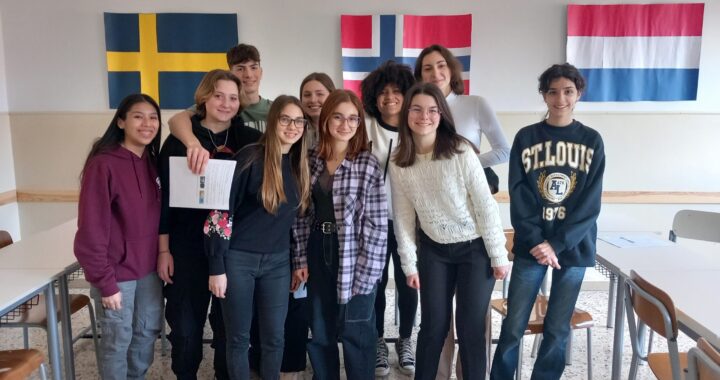
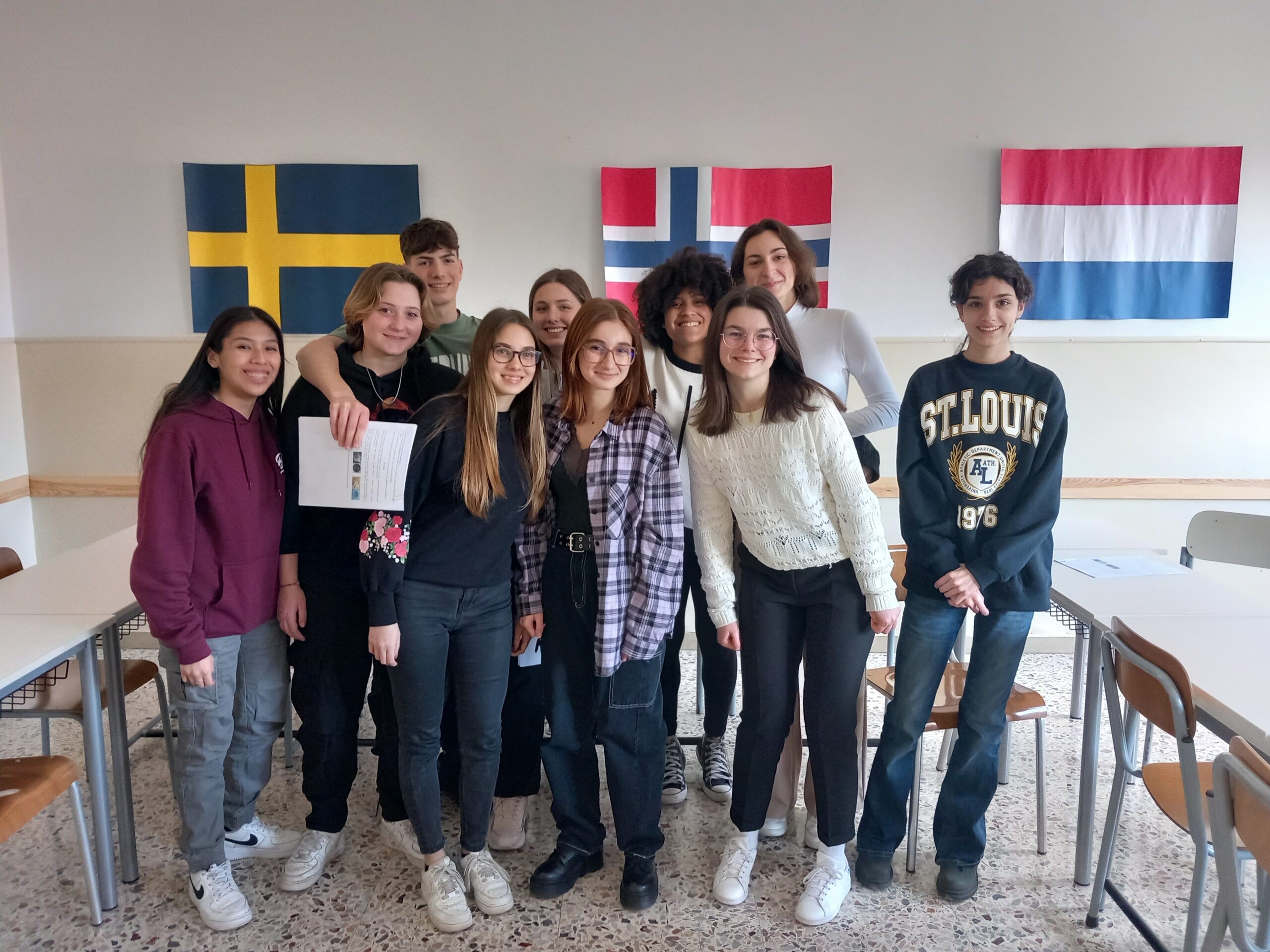
A group of students, also from Legnano, hosted a group of students from Norway from the Sandsli school in Bergen for a week, before setting off to discover the Norwegian town themselves, with workshops, study, and excursions to the Ulriken and Fløyen mountains. It was a cultural exchange marked by discoveries about the Northern European educational world and new friendships, days of study and sharing, such as dinners together. Finally, the third STEM class of the Canossiano Institute in Feltre is leaving for a week in Brittany, and their colleagues in Legnano will soon be hosting French students.
The expert Basque chef at VET centres in Brescia and Bagnolo Mella
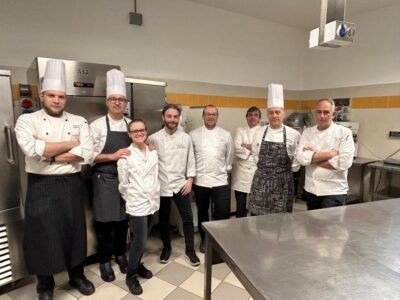
Basque chef Borja Extebarría was a guest at CFP Canossa Brescia and Bagnolo Mella, where he held the first of two days of training for our cooking instructors. The course was entitled “Cocina Tradicional del Pais Vasco” (Traditional Cuisine of the Basque Country).
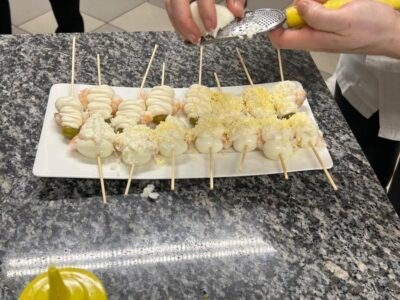
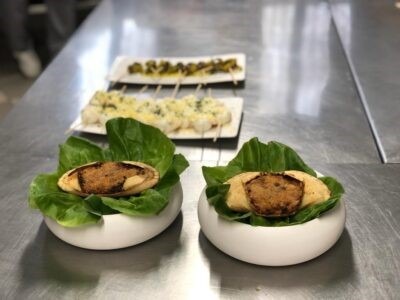
The chef brought traditional recipes from the Basque Country, starting with typical appetizers such as “La Gilda” (anchovy skewers, pickled peppers, and olives) and the highly anticipated “El Bilbainito” (quail eggs, shrimp, mayonnaise, parsley, and olives). His colleagues then prepared (and tasted, of course!) a second course, “Txangurro a la Donostiarra” (crab stuffed with brandy, onions, and breadcrumbs) and “Papel Vasco,” a Basque cake made with shortcrust pastry and custard.
The chef continued with other dishes, such as main courses based on salt cod cooked in three typical Basque sauces: “Bacalao al Pil-Pil” (salt cod in “Pil-Pil” sauce: an emulsion prepared with oil flavored with garlic, chili pepper, and salt cod jelly; the curious name derives from the sizzling sound made by the juices released from the fish when it is immersed in boiling oil, which turn into a gelatinous substance); “Bacalao en salsa verde” (hot sauce made with oil, parsley, garlic, and flour); “Bacalao Club Ranero” (pil-pil sauce with onions, zucchini, and green and red peppers). Another recipe featured squid in squid ink, “Txipirones en su tinta,” cooked with stewed red onions, fish stock, and squid ink.
The dessert, “Goxua,” was a “biscottata” cake made with biscuits, whipped cream, and custard, all decorated with caramelized sugar.
The refresher course aroused great interest among the practical teachers, who were satisfied with the recipes presented and the results obtained, and Basque chef Extebarría was pleasantly impressed by the participation of his colleagues in the kitchen, who actively engaged in preparing new recipes.
The chef hopes for future collaborations and exchanges with students and teachers at his restaurant Yandiola in the Biscay area.
Once again, the Erasmus+ project has borne fruit (good fruit, and this time Basque fruit)
A new goal has been achieved by the Erasmus 3H – Head, Heart, Hand project: the creation of a Compendium of good practices for social and emotional education in vocational education and training.
The last period has been very intense for the 3H partners, but also very fruitful. The first published result is a very interesting volume. Following the project partners’ training meeting in early February, dedicated to analyzing the “Compendium – Collection of Good Practices” in the field of social-emotional education, two versions of the volume were published, in Italian and English. Starting from the main objectives of Project 3H (i.e., developing the skills of teachers and trainers through the introduction of methodologies for managing student demotivation within the classroom group and a socio-emotional perspective in daily work with students), the partners worked to create a Compendium of Good Practices.
This volume was produced thanks to six training activities (Learning Teaching Training Activities, LTTA) organized among the partners. Four of these LTTA were international visits to vocational training institutes. The remaining two were online “Virtual Coffee Breaks.” The main objective of this work is to address the problem of educational ineffectiveness and early school leaving.
To do this, the team highlighted four “points of attack,” which are variously represented in the corpus of practices collected:
Reception/orientation: #1 Clinical Art, #5 Gamification and Digital Tools, #6Individual Learning Path, #7 Joint Tutoring and Flexibility, #9 Lego® Art, #10 Mediation Project, #22 Serious Game (Escape Room), #25 Walk Of Life, #26 Women Group.
Well-being and motivation: #21 The School, A House Of Well Being
Independent learning: #4 Ethazi, #5 Gamification and Digital Tools, #11Neets For Neets, #18 Renyo, #19Ruori assessment
Problem-based learning: in #3 Cultures in our classroom, #12 Pitstop, #14 Public events and products, #15 Rebound, #25 Walk of life, #16 Recipe book project
Each good practice has some main objectives that provide a description of what is meant by “social-emotional learning” and “social-emotional skills” in this Compendium. For example, the objectives of community building (European community, local community, school, class), teamwork skills, personal expression connected to personal harmony, awareness, and contact with oneself. Other goals are related to decision-making and personalization and developing students’ reflective skills.
Each objective is analyzed in depth in the Compendium, enabling readers to identify the most useful practices for achieving the objectives in their own vocational education and training centers and schools.
Ultimately, this document represents the first result of the strong collaboration and mutual contribution between the partners.
The first ENAC Emilia Romagna Vet Skills Competition in Palma de Mallorca
Maura Massari, business economics teacher, tells us about her experience.
And so we come to the end of a journey in which we played a leading role, both as organisers and participants: the first VET SKILLS COMPETITIONS held in Palma de Mallorca from 28 November to 2 December 2022. It all began in the spring of 2022, when our vocational education and training (VET) coordinator asked during a staff meeting if we would be interested in participating in/organising Skills Competitions for our Administrative and Secretarial Operator course. I, a teacher of accounting and office practices, and my colleague Sabrina, a computer science teacher, immediately agreed, and in no time at all, we found ourselves involved in organising an international project.
It is not just a matter of “preparing the children” by giving them the right skills, but also of thinking about the entire organisation of the event, from the topics covered to the location, the participating teams, the methods of administration, the scoring… in short, everything involved in planning such an important and new event. The challenge has now been accepted, and every spare moment is spent looking for ideas and activities that might be useful, reading articles and doing research. Through Enac Nazionale, in the person of Simona Puggioni, who oversaw the entire project, we were put in touch with Marie Angels from the San Josep Obrer Diocesan College in Palma de Mallorca and Anne Ploeg from Drenthe College in Assen in the Netherlands. Together with our Erasmus project coordinator, Emanuele B., we began to lay the foundations for the event.
The many online connections and shared folders in Drive allowed us to divide up the tasks, keep an eye on the progress of the work, think about team-building activities, and organise a connection with the classes that would remain at school, so that everyone could participate and contribute in some way.
With anxiety growing as the departure date approached, we arrived at Bergamo Orio al Serio airport on the fateful day of 27 November 2022: we had six students, not seven (one girl was not feeling well and did not travel), but it didn’t matter, we would make it work anyway! We boarded the plane: four students had never flown before, so the excitement was palpable… but this too was part of the experience, part of the indelible memories that would remain in their minds.
The next day we meet our opponents (the Spanish team and the Dutch team), but they are not opponents, they are people to work with, to produce something with, to communicate with, and here lies the problem: we have to speak in English! Help! I can’t do it… I don’t know how to say it! We look at each other fearfully, then slowly begin to breathe more calmly and in no time we create a WhatsApp group with our new friends… it’s done! Now we can have fun with them too!
The days pass, fantastic even if a little tiring. Some of the girls take turns feeling unwell, Rebecca has a fever for three days, but despite the absences, we carry on with our task, we do what is required of us, we even manage to speak more and more in English and with less fear, it’s a success!
But who won? In the end, communication, mutual assistance, collaboration, English and professionalism prevailed!
The students produced catalogues, flyers, presentations, appointment forms, invoices, transport documents, sales reports and graphs. They answered questions about the European Union, but above all, they shared their skills and knowledge to achieve the result.
And what did I learn as a teacher? What will I take away from this experience? Certainly, excellent collaborative relationships with other teachers, which will not end with the competition but will continue in the near future. Certainly, many ideas for improving teaching and also a refresher in English, which I studied at school many years ago and never used again.
CentroModa Canossa: exchange week in the Netherlands “Upcycling”
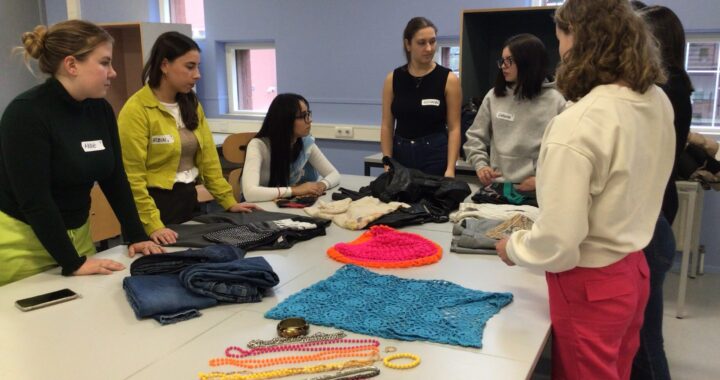
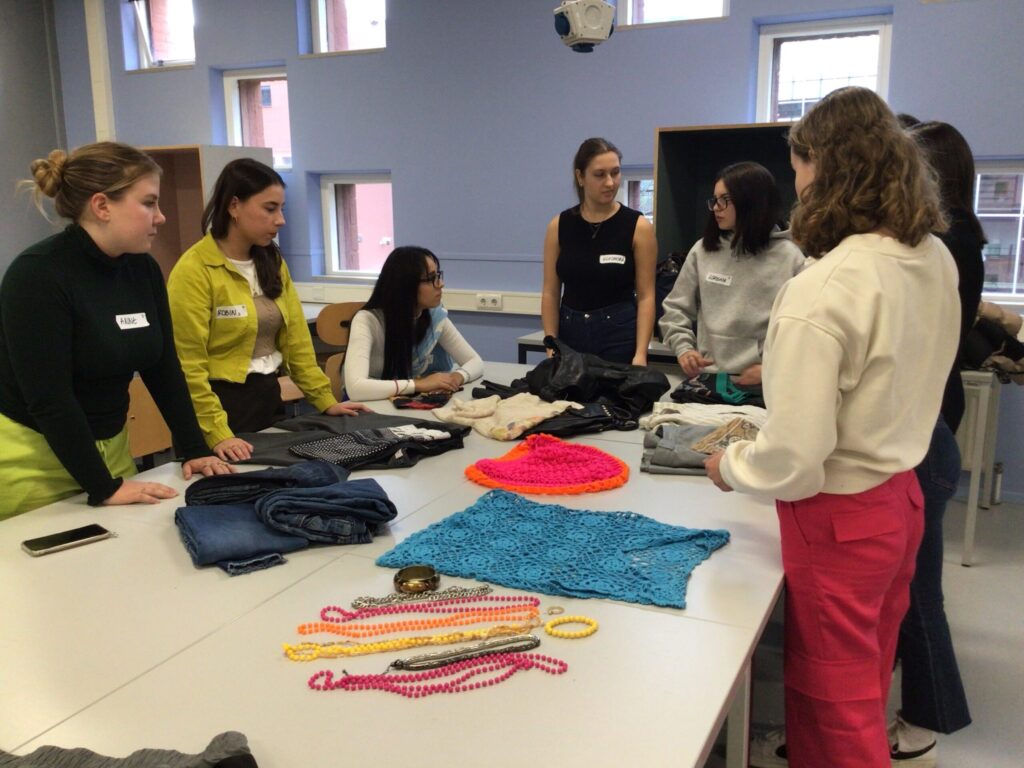
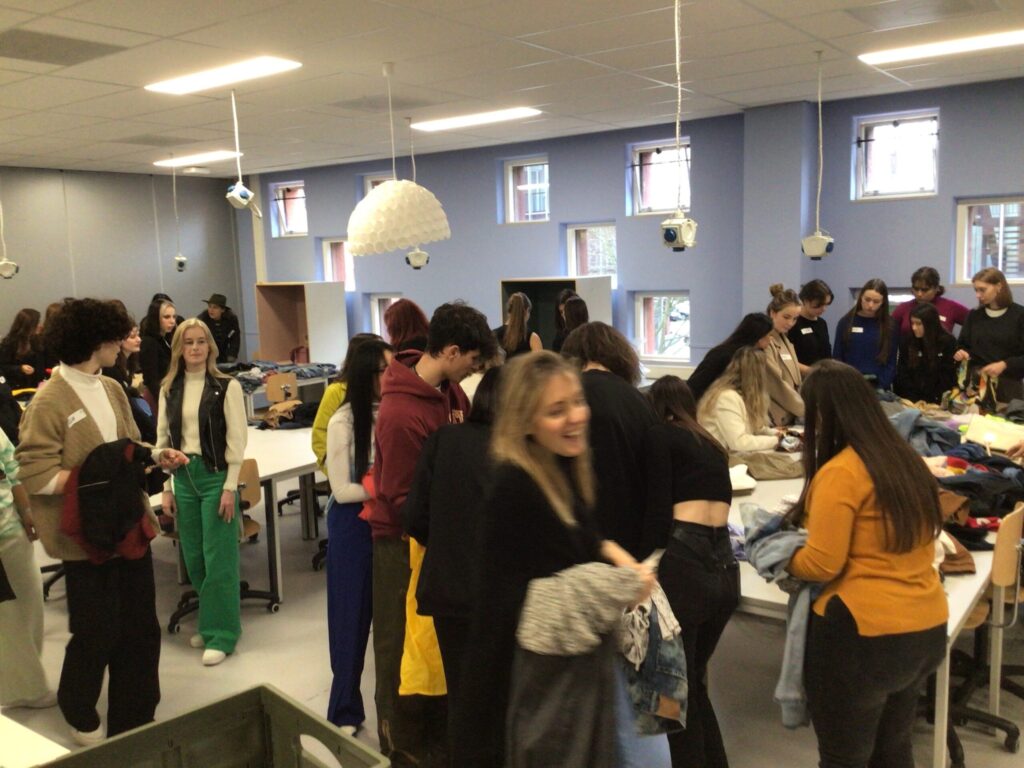
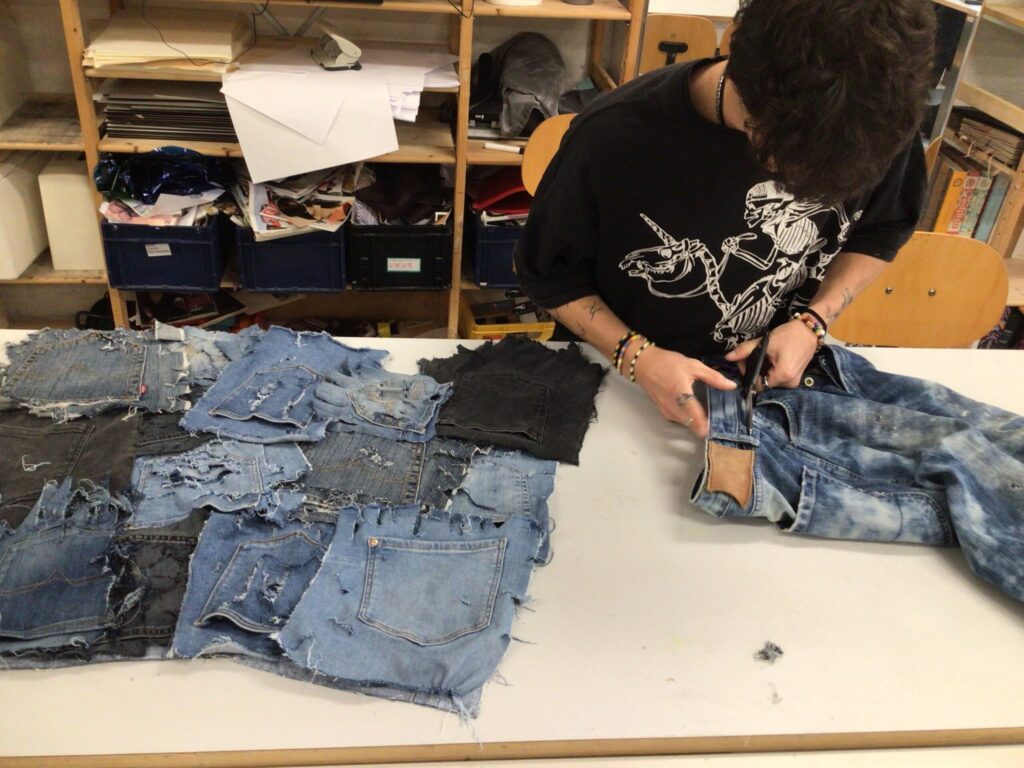
Following the success of last year’s virtual mobility programme, “So far, but yet so close”, this year we worked hard to organise an in-person exchange. The second edition of the mobility programme, “Upcycling”, took place from 6 to 11 November 2022. This was an overseas mobility project in collaboration with Koning Willem I College, involving 23 Dutch students from class 2B and 34 students from our classes 4A and 4B. The project’s objectives included developing technical skills, putting personal aptitudes into practice, communicating in English and experiencing an exchange between Italian and Dutch culture.
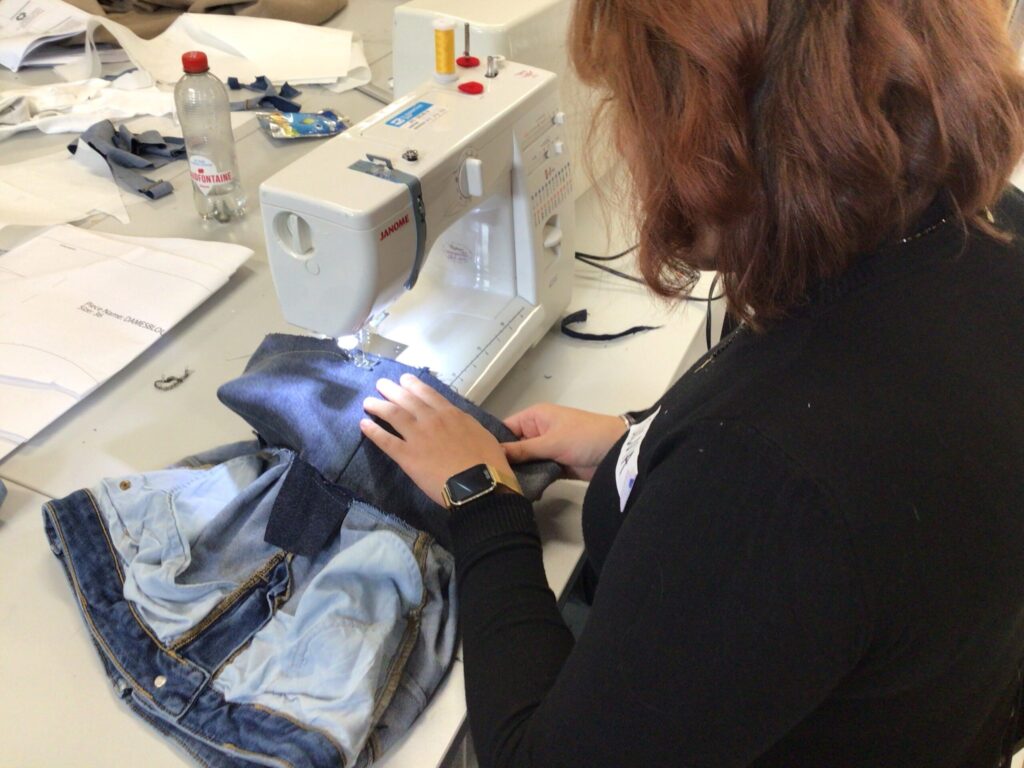
During this mobility week, the students were tasked with working in teams to share a strategy for creating garments. The assignment involved creating two complete outfits using only second-hand clothing.
The project was further enriched by the European project “Enacplus: Moving to Learn 3”, in which seven students from CentroModa Canossa took part in a skills competition, which covered the costs of the activity through a grant.
The aim of the experience? To offer opportunities for study and training abroad and to develop quality, innovation and the European dimension through transnational cooperation. All the garments created were presented in short videos and the jury chose the winner; in the coming months, these garments will be presented in a fashion show in Trento.
The girls and boys were very enthusiastic, and we would like to share some of their comments:
‘I was very impressed by the college, it was very large, well-structured, and with lots of “decorations” (e.g. mannequins wearing unusual clothes); I was impressed by the thoughts of the other students; and I felt full of energy. I would do the same things again.’ ‘At the beginning of the week, I felt uncomfortable because I had to speak English, but then, thanks to my group mates, I felt more at ease and was able to communicate, even though I had some difficulties.’
‘I felt welcomed by the school and by the city in general, where everyone was smiling, something you don’t see much in Italy…’
‘I was very enthusiastic about this project, I bonded a lot with my Dutch group mates; this experience also allowed me to bond more with my Italian classmates. I liked the way the teachers approached the students.’
‘I noticed a different way of seeing things on the part of our peers, who take everything with a smile and great optimism. They don’t give up at the first hurdle, but keep going, breaking down every wall with their enormous creativity, which sets them apart.’
We strongly believe in these experiences and are already working on next year’s edition. Stay tuned!
Sfp Canossiana Treviso discusses Soft Skills in Plovdiv, Bulgaria
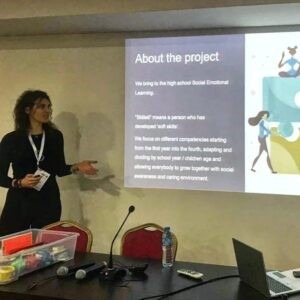
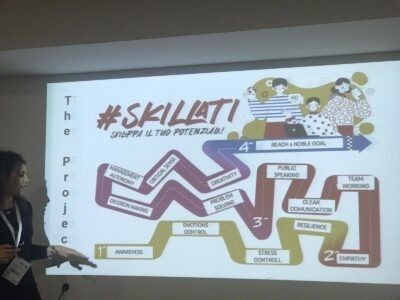
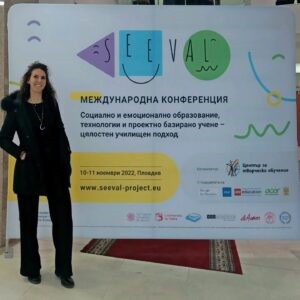
Psychologist and lecturer Deborah Galiazzo from the ENAC Professional Training School at the Canossian Institute in Treviso presented the school’s structured soft skills programme at the “International and Emotional Education, Technologies and Project Based Learning” conference in Plovdiv, Bulgaria.
The work presented at the conference involves offering students opportunities to learn and reflect on life skills such as self-awareness, stress and emotion management, empathy, developing effective relationships and team working during their years at school.
The project spokesperson, Deborah Galiazzo, stated that ‘The project is the result of a coordinated process developed according to the SEEVAL method, whose main objective is to establish an inclusive school based on social and emotional education. The process contributes to developing a school culture based on empathy and mutual respect among members of the community.’
The school’s director, Andrea Michielan, explained that ‘The project involves promoting specific skills each school year, divided and adapted to the age of the students, allowing each child to grow with greater awareness of themselves and others.’
Numerous European schools participated in the conference, allowing their representatives to enrich themselves with new ideas and projects to introduce into their own school systems. The ENAC Vocational Training School in Treviso was delighted to share its experience in the wider European landscape and to draw opportunities for growth for its own future.
13-14-15 October 2022: three days to celebrate the Erasmus+ Programme across Europe. This is a unique opportunity to showcase and promote, through online or in-person events, the Erasmus+ programme, European values, the benefits of mobility and the achievements of the Erasmus+ Programme. It is also a valuable opportunity to showcase and highlight the work that numerous organisations, including ENAC, have been doing on a daily basis for years in their own territories, including through the Erasmus+ Programme.
As for the Canossian network, the Fidenza, Verona and Treviso offices have organised events to share experiences of mobility abroad with first-hand accounts and videos, as well as presentations of new proposals.
The ErasmusDays initiative was launched in 2017 on the occasion of the 30th anniversary of the Erasmus Programme by the French National Agency together with a small group of partner National Agencies, including the Indire Agency, and brought together all stakeholder groups – students, teachers, parents, associations, local representatives, journalists, etc. It has enjoyed growing success over the years: in 2020, there were over 5,000 events in 82 different countries; in 2021, there were 5,670 events in 67 countries. Italy has always been among the top five countries in terms of participation! Furthermore, this year’s #ErasmusDays 2022 are being organised as part of the 35th anniversary and the European Year of Youth, with the slogan “Sharing our European values with the young people of today and tomorrow: 35 years on and many more to come”.
Explore the European map and be inspired! https://www.erasmusdays.eu/