Erasmus Days have been a regular event at SFP ENAC Veneto in Treviso since 2013, when the school decided to join the mobility projects proposed by ENAC, involving an increasing number of students and accompanying teachers.
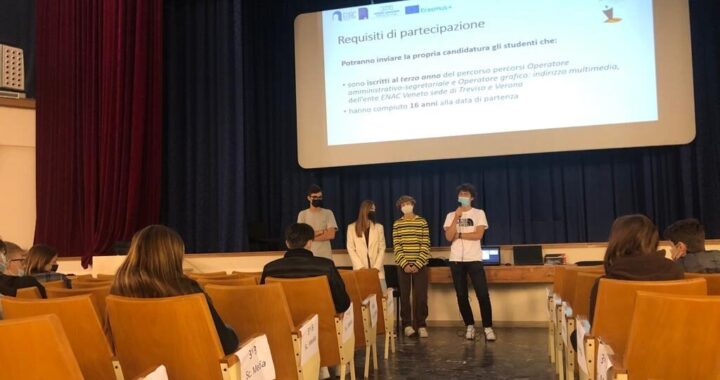
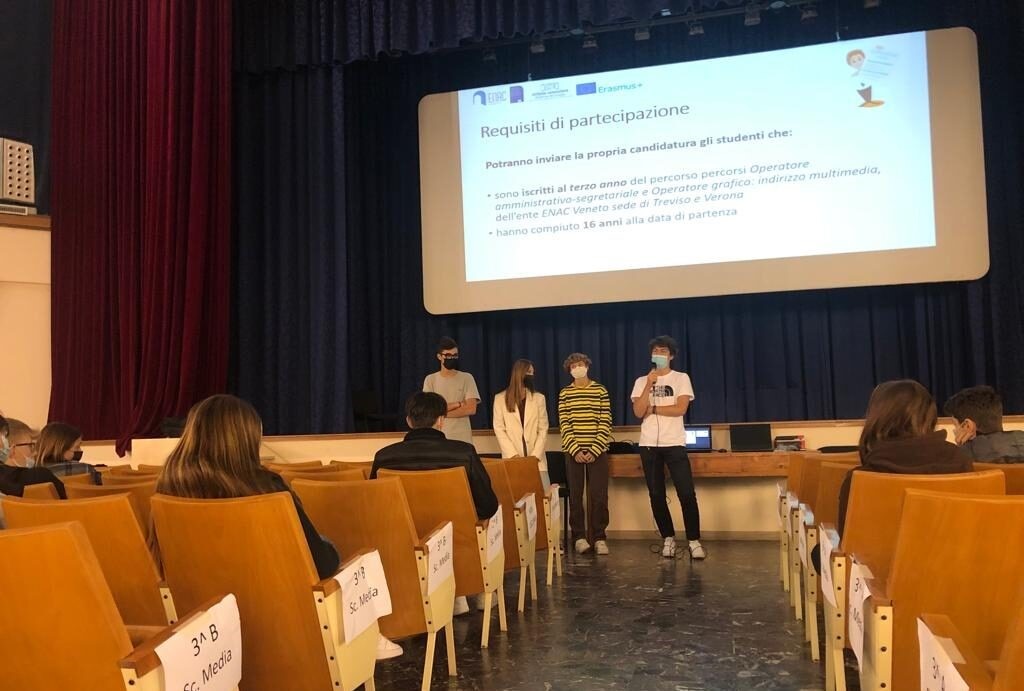
This year, the celebrations were held on Friday 16 October at the school theatre, where third-year students were able to learn about and appreciate the Erasmus+ programme thanks to the words and testimonies of Director Michielan, some accompanying teachers (Prof. Antonello and Pavan) and former students (Alessia, Alessandro, Eric, Tommaso), the Erasmus + programme: an unmissable mobility experience which, thanks to European Union funding, will take them on work placements in leading companies in an EU country next summer.
‘Travelling is living, travelling opens your mind, travelling changes you for the better as a person, travelling makes you grow humanly and professionally, travelling makes you independent’ are just some of the ideas that emerged from the passionate speeches of the speakers. We take these maxims to heart and pass them on as good wishes for all the students who, in the coming months, will face the selection process and leave in July. Good luck: ‘Life is a journey, and those who travel live twice’ (ʿUmar Khayyām, Persian poet and mathematician).
Imagine you are a group of people with a common goal who have been unable to meet to work as a team for over a year and a half. Think back to all the online meetings you have had, all the connection problems, the overlapping voices, the annoying background noise…
Now imagine finally being able to sit down at a table with these people, look them in the eye and feel their enthusiasm as they talk about their work and the projects they are working on.
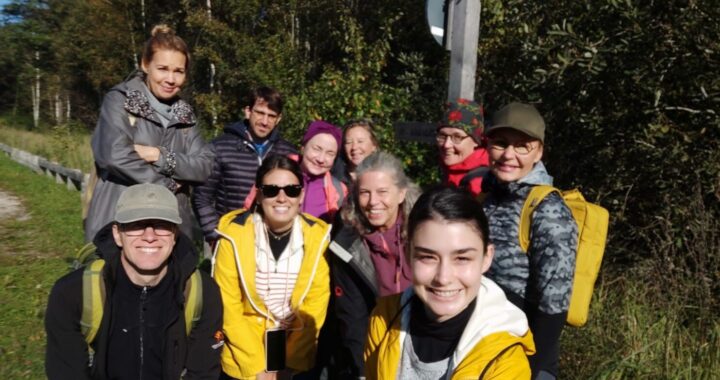
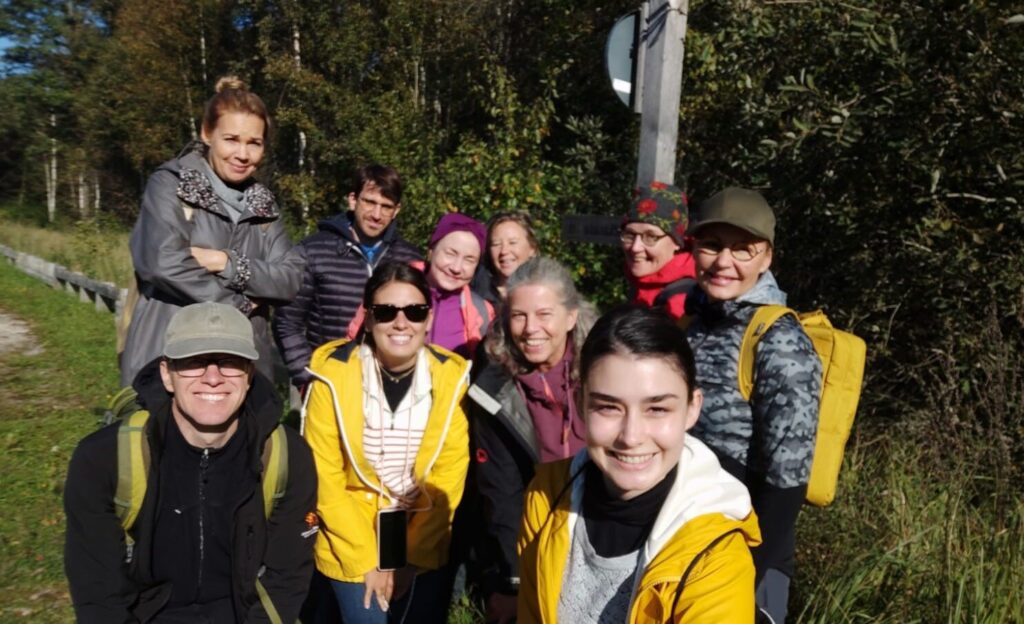
This is what happened to the partners of the REX VET project, from beginners to experts in the field of internationalisation. ENAC and its partners from Finland, Estonia, the Netherlands and Spain attended the three-day meeting in Kuressaare, Estonia, from 14 to 17 September. The last time the consortium had the opportunity to meet in person was before the pandemic in November 2019, during the kick-off meeting in Bilbao, so the joy of being able to work together again in person was immense.
During the meeting in Estonia, the agenda was very tight. During the three working days, the consortium finalised the training modules and created the first open badges. However, the partners also had time to relax and discover Kuressaare and the island of Saaremaa.
Within a month, the consortium will meet in Helsinki, where a training event will take place. On this occasion, more than 20 teachers will participate, putting their international skills to the test with the brand new badges. Participants will also have the opportunity to explore the culture and atmosphere of Helsinki in the polar darkness. The first two days of the event will take place along the Baltic Sea coast, offering the chance to observe Finnish nature, and perhaps even swim in the sea and warm up in a sauna.
The third day will take place at Luovi Vocational College! Participants will also have the opportunity to visit a real Finnish school, famous for its PISA tests. It will be fantastic, for sure. We can’t wait to tell you what happens.
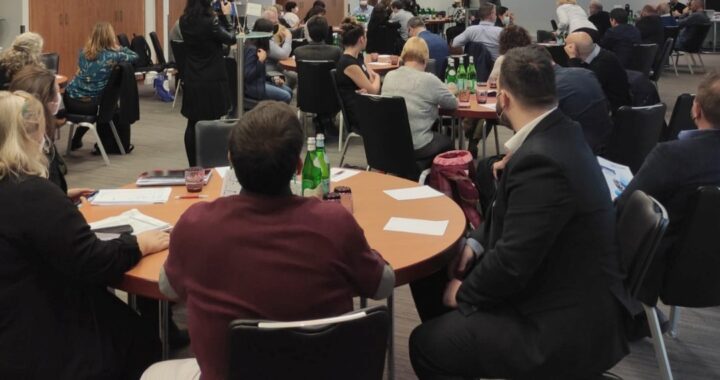
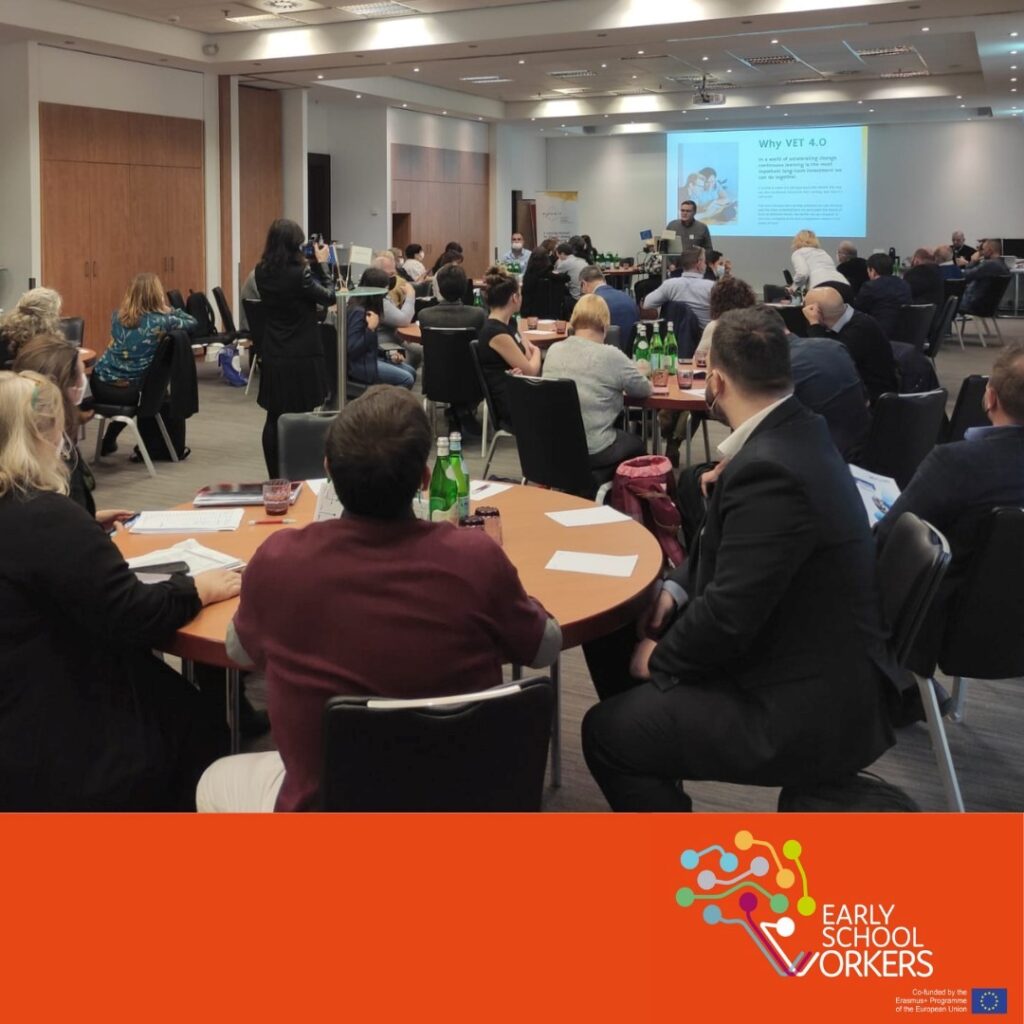
ENAC participated with great enthusiasm in the annual event organised by EfVET, which was held on 26 November 2021 in Berlin.
During the round tables, the Early School Workers project was presented, which supports the renewal of the vocational training system in Europe with the ultimate goal of tackling the problem of early school leaving and increasing the employability of young people in society.
After presenting the project and its objectives, project coordinator Luca Calligaro presented the results achieved in recent years, summarising the expected intellectual outputs.
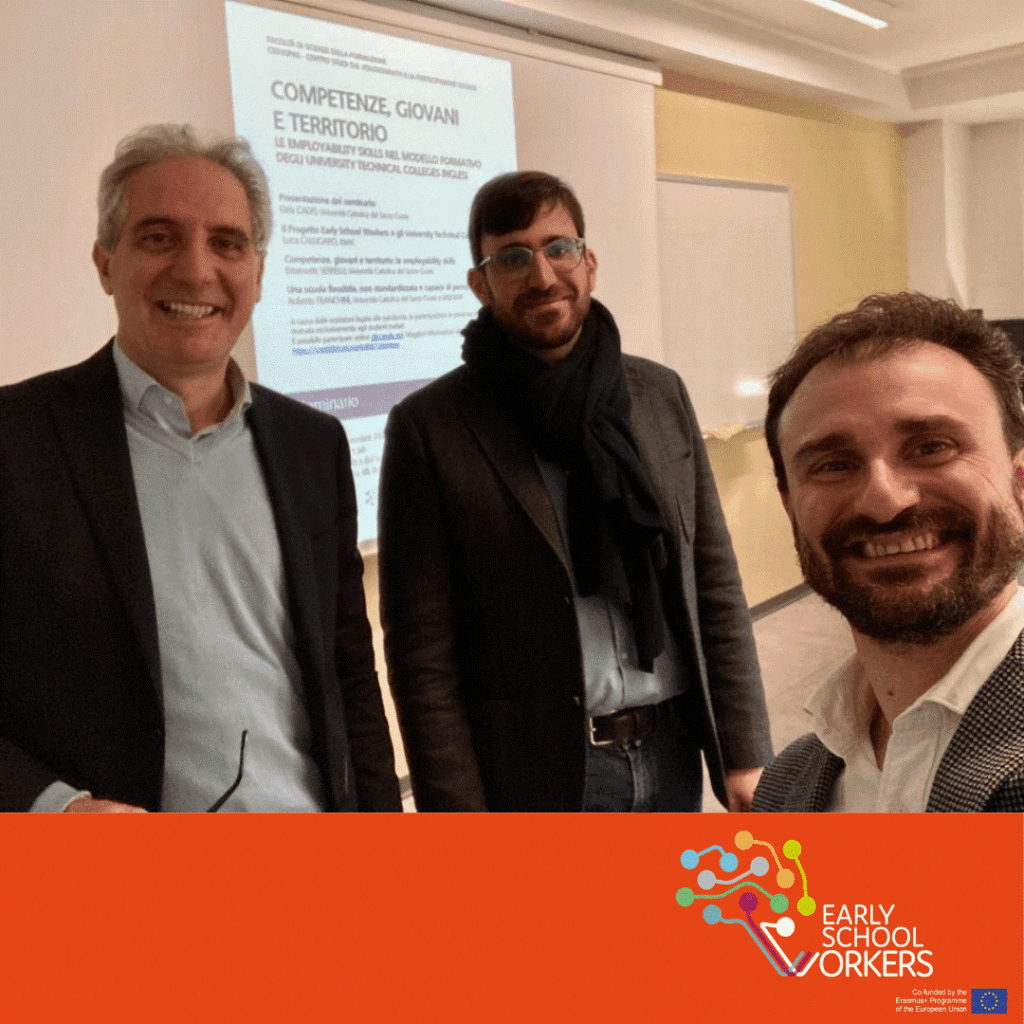
Furthermore, on 29 November, ENAC took part in the event “Competenze, giovani e territorio” (Skills, young people and the local area) at the Brescia campus of the Catholic University of the Sacred Heart.
The event was an opportunity to present the results of the Early School Workers project to education science students at the Brescia university.
It was also essential to reflect on how schools need to become more flexible in order to equip young people with the key skills that will transform them into active citizens and that will also be useful for entering a constantly evolving world of work.
A new beginning for ENAC: 3-H Project (Head, Heart, Hand)
ENAC was one of 65 organisations to obtain approval for a new European project entitled 3-H Project (Head, Heart, Hand).
The main aim of the project will be to tackle the problem of the high number of young people in vocational education and training who are demotivated or unhappy at school, a problem that has been exacerbated by the pandemic.
Tools, methodologies and, above all, an improvement in teachers’ skills in motivating and promoting “well-being at school” are needed, which is essential for managing and preventing early dropout.
Starting from these premises, the 3-H project focuses on socio-emotional aspects, i.e. the development of practices to promote MOTIVATION and WELL-BEING OF STUDENTS AT SCHOOL.
Specifically, the project will focus on:
Developing knowledge and methodologies to enable teachers to work on socio-emotional aspects
Outlining a strong model of reception, dedicated to the first months of students’ entry into vocational education and training courses
Developing/adopting good practices that promote students’ well-being at school (from reception onwards) and motivate students
Developing meaningful project-based learning experiences jointly between teachers and pilot class groups from various European VET centres, so that students and teachers have new opportunities to connect with each other, develop socio-emotional skills and learn content in an authentic and contextualised way.
Keep following us on our page facebook and instagram to stay up to date on the project’s development!
November was marked by internationalisation for the CMC in Trento. Two major international projects were carried out, designed and developed with the support of ENAC.
Erasmus+ call for proposals in collaboration with Medien College Berlin
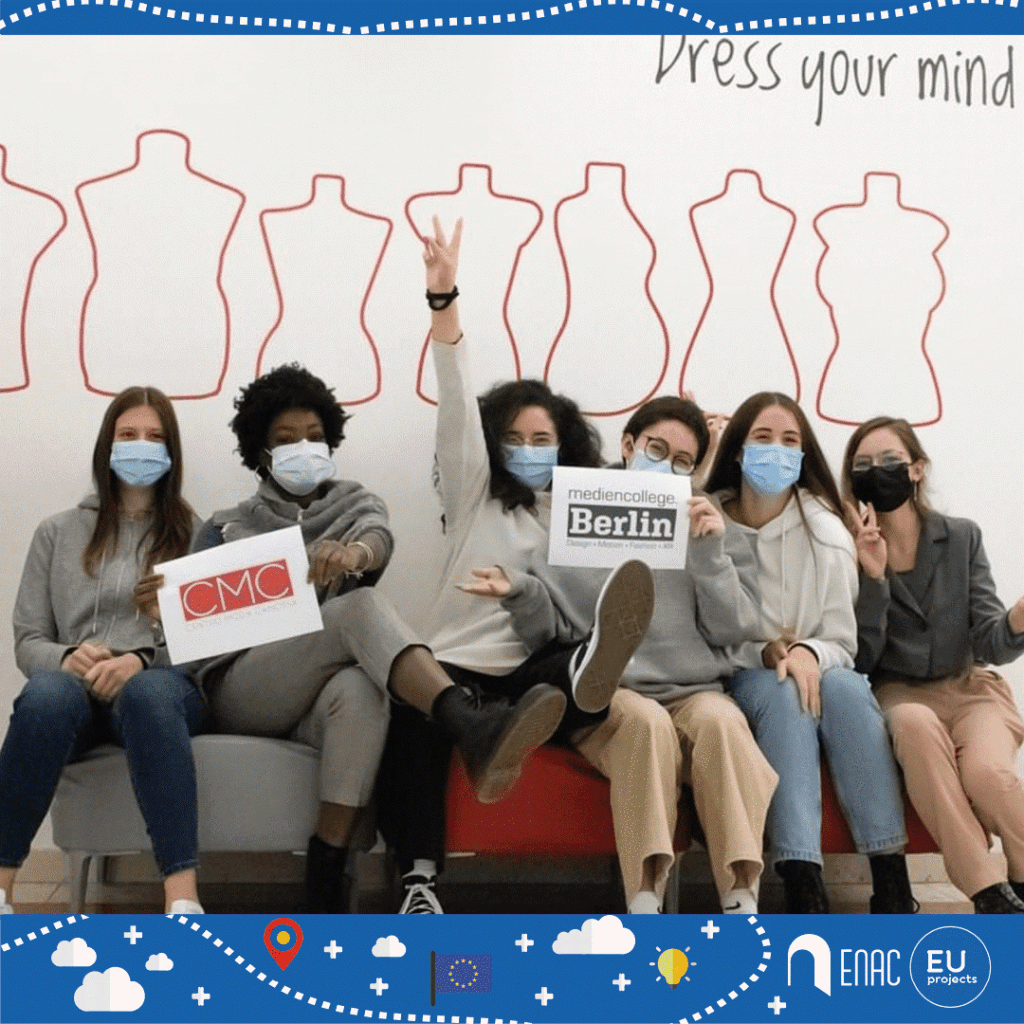
The first mobility programmes abroad for 2022 are also beginning to take shape! This time, six students from CMC Trento have been selected to take part in the ENAC+ 2 programme. The mobility experience will take place in Berlin at Medien College Berlin, from the end of January to the end of March 2022, coinciding with the curricular internship period for fourth-year students.
‘I decided to apply because I think it’s a great opportunity to step out of my comfort zone, improve my English and grow professionally as well as personally,’ says Yasna Pederzolli, one of the students who applied.
Arianna Mattar adds, ‘I decided to apply for the two-month internship in Berlin because I think it’s a great opportunity to grow mentally and, above all, professionally, and to understand what I want to do now and in the future.’
Virtual mobility with Koning Willem I College
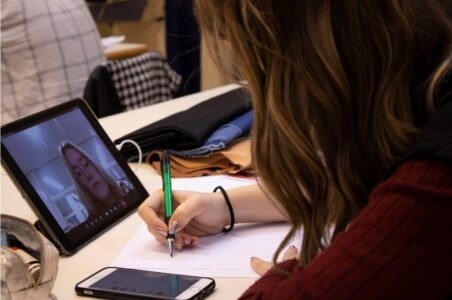
From 15 to 19 November 2021, the first part of “So far but yet so close” took place. This virtual mobility project, in collaboration with Koning Willem I College, involved 16 Dutch students from class 2B and a selection of 16 students from classes 4A and 4B at CMC.
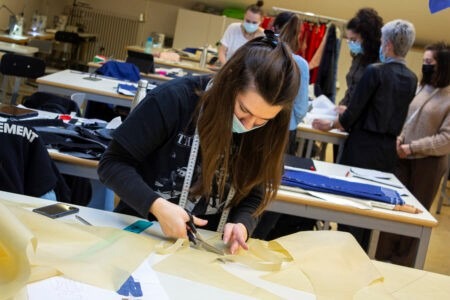
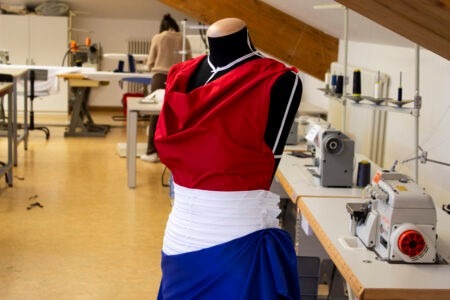
During this week of virtual mobility, the students were tasked with working remotely as a team to agree on all stages of garment production. The assignment involved creating a complete denim and leather outfit inspired by Italian and Dutch designers.
‘I enjoyed this experience. I learned a lot from this collaboration and improved my teamwork skills. I think this experience was useful and interesting.’
‘It was an intense week, full of new experiences, satisfaction, hard work and knowledge. From this virtual exchange, I discovered how to collaborate better with other people and also how to work faster. I hope to have the opportunity to repeat it.’
These are some of the comments made by the students at the end of the week. All the garments created were sent to the Netherlands for a photo shoot. In the coming months, they will be presented at an official fashion show in Trento.
CS-21 project from Ghent to Madrid, two years later
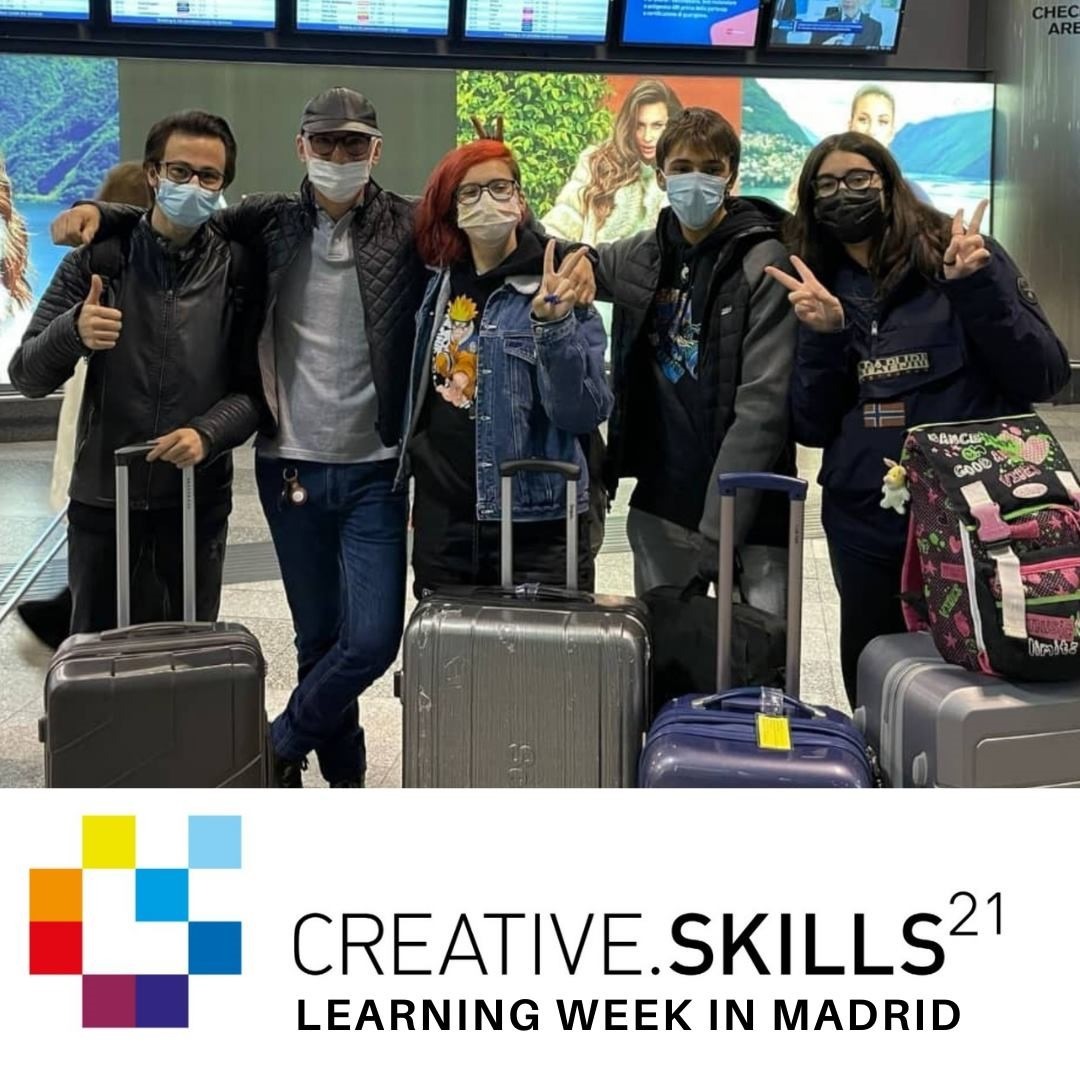
‘Teacher, we’re going out with the Spanish students, see you later at the hotel.’ That’s how the first day of the CS-21 project training week in Madrid ended. And we have to say, it couldn’t have ended better! After just one day, our students had made new friends and were chatting away in a mixture of English, Spanish and Italian.
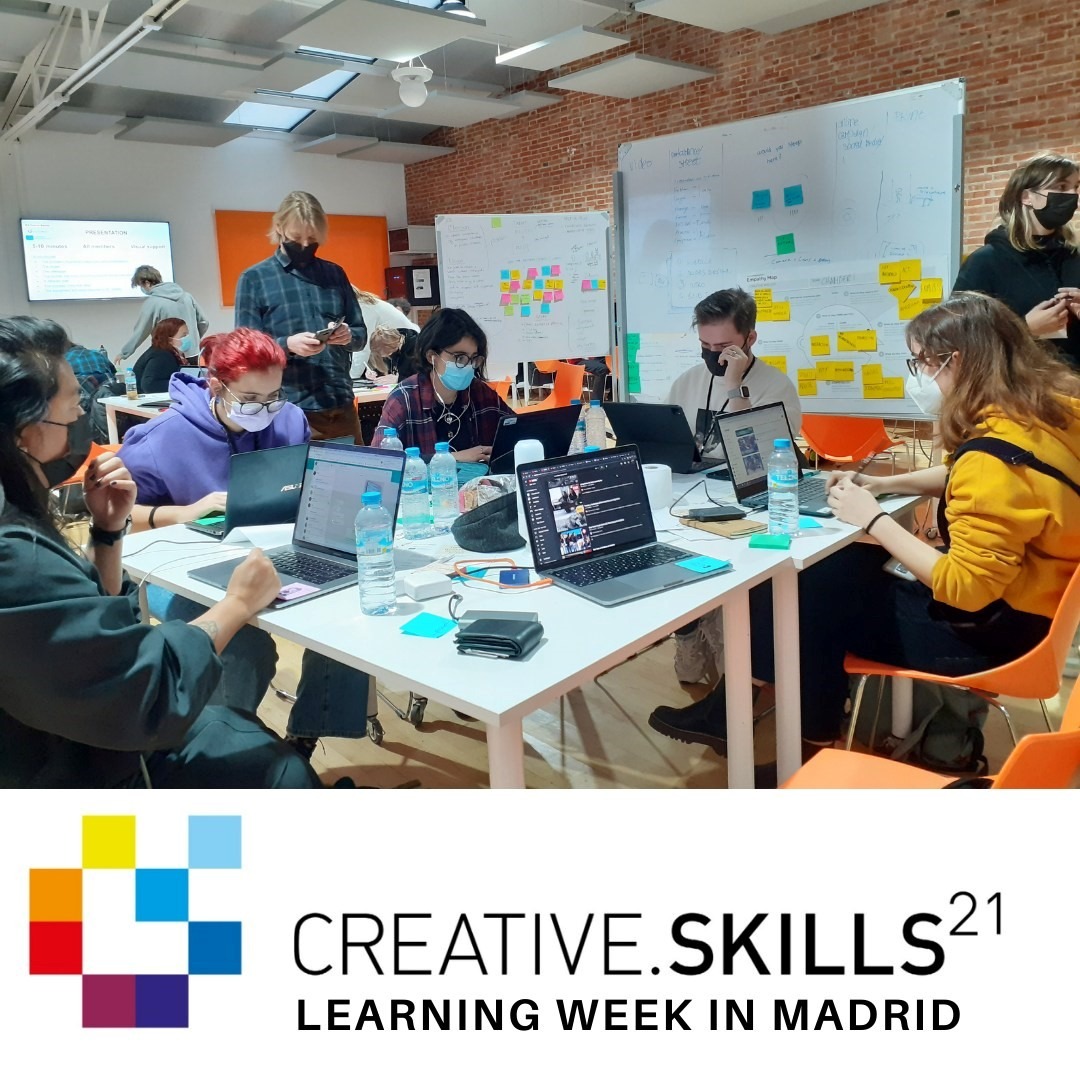
After almost two years of hiatus, the Creative Skills 21 – Improving teaching and learning of 21st century skills for the creative industry project has resumed. The project sees students and teachers from eight European countries working together for two weeks to design and implement a creative project aimed at developing some of what are defined as 21st century skills. In this case, for the first of the two weeks, Communication and Cooperation were chosen, and both the students and the participating teachers had several opportunities for reflection and development.
During the week, they had the opportunity to participate in workshops on Design Thinking and Storytelling and put what they had learned into practice in group work. Teachers also attended another seminar on developing communication skills through cooperative learning.
At the same time, they took part in conferences on the theme of inequality, divided into three areas: economic, educational and gender. This was, in fact, the theme on which the groups had to work to design their projects to be carried out during the second week, which will be held in February in St. Gallen, Switzerland.
Two girls and two boys from the CFP Canossa in Magenta participated on behalf of ENAC, accompanied by their graphics teacher. It was a very intense week for them, as they found themselves competing with students who were often older than them and had much more advanced language skills. Nevertheless, none of them ever backed down and, on the contrary, they all gave their best, despite the fatigue and difficulties, improving their language skills day by day, but above all gaining self-confidence and developing a great deal of resilience.
As mentioned, the project will continue with a second week in Switzerland for the implementation of the projects and then with two more weeks involving students and teachers from the SFP in Verona, travelling to Finland and Portugal.
Tuva is a Norwegian girl who decided to spend a year abroad, attending 4C at the humanities high school – theatre and cinema at the Canossian Institute ‘Madonna del Grappa’ in Treviso. Here’s what she told us:
“I remember very well when I decided to spend a school year abroad: it was March, dark and very cold, as always during winter in Norway. In addition, lessons were online at that time because of the pandemic. I was a bit tired of everything and wanted to do something fun and new. I said to myself: why not spend a year abroad? The idea was tempting but at the same time it scared me tremendously; but then I decided to take the plunge and left. Now I live just outside Treviso with a family of four: my “parents” and my two “sisters”, who are 17 and 19 years old. I get on really well with them. My sister Beatrice and I go to school together. This has been a great source of reassurance for me because I always have at least one person I can talk to easily.
In any case, my classmates were very welcoming and I never felt excluded. This opportunity to change schools and meet new people will never happen again: this is one of the reasons why I highly recommend spending a year abroad.
However, the experience with another school system has its pros and cons. It is no secret that Italian school is more difficult, but I would say that it is also much more interesting than school in Norway. Here in Italy, more effort is required, but this means that in my final year of school in Norway, with the final exams, I will be better prepared to study.
It’s true that a year abroad isn’t all easy. There are big changes and lots of rules that you just have to accept, even if it’s difficult. I really recommend all students to spend a school year abroad because you experience very strong emotions and unique experiences.
The new Erasmus+ project in the creative sector officially started on 1 March. With the partnership already tested in the previous CS-21 project, a new project was presented as part of the extraordinary call for funding for strategic partnerships in response to the impact of Covid-19 on digital education and creativity.
The project is led by the Grafisch Lyceum in Rotterdam, which, for 18 months, will spearhead this exchange of good practices with the aim of advancing and strengthening the capacity of teachers in vocational education and training centres to develop and deliver effective, high-quality and inclusive digital education within the creative sector.
The current crisis linked to the COVID-19 pandemic has accelerated the need for modernisation and digital transformation of education and training across Europe. While many institutions have adequate resources and considerable knowledge and experience in providing students with effective online teaching, others, unfortunately, do not.
During this global crisis, educators have had to adapt and learn very quickly – in “real time” – how to plan and deliver an engaging and inclusive “remote” curriculum, while helping their students adapt to the enormous change in the way they acquire new knowledge and skills.
In practical terms, the project will support teachers in acquiring and developing these skills/knowledge through the organisation of training weeks – one of which will be organised by ENAC – in which they will use accessible online teaching tools and share ideas, digital resources, experiences and good practices. Experts will be on hand during the training events to hold masterclasses and share innovative practices.
In addition, the project will seek to develop the digital pedagogical skills of participating teachers so that they can train other colleagues in their organisations throughout the duration of the project – and beyond. The aim of the project is for the participants’ learning to benefit as many teachers as possible, enabling them to provide high-quality online distance/blended learning to their students.
At its annual conference, EfVET – the European network for vocational education and training, of which ENAC has been a member since 2018 – offers its members the opportunity to disseminate the results of their projects in order to promote best practices.
During the Roundtables, partners from various European projects have the opportunity to provide more in-depth information to all interested parties and discuss future opportunities for cooperation. During this event, ENAC and the Catholic University will present the main results of the project, specifically:
the first Intellectual Output, which consists of a report on UTCs (University Technical Colleges) and how to transfer the model to other contexts
the second Intellectual Output – Methodological framework and common tools for the development of a new curriculum
To participate, send an email to enac@enac.org indicating:
email address to which the link to participate should be sent
We asked some trainers who participated in Erasmus+ mobility projects last year to evaluate the impact that this experience has had on their training activities over time. Below is the testimony of Vera Bottazzi, language trainer at ENAC Lombardia – C.F.P. Canossa in Bagnolo Mella, who visited Friesland College in the Netherlands last year.
“During the three days of visits as part of the J2E project promoted by ENAC, I noticed that the training structure in the Netherlands is very different from ours. There are more unstructured activities, which I hope will also come to Italy, as I believe they are good for both professional skills and soft skills. In fact, it was the focus on the latter that struck me most during the study visit.
What have I learnt and what do I use? Definitely explaining the objective!
Each lesson, each period is dedicated to a concept, an activity that is always visible (on the blackboard, on the interactive whiteboard), which helps students understand the reason behind the exercises. In addition, the experience has helped me rethink teaching spaces. In a classroom in Bagnolo (first pastry shop), we created a different classroom setting:
The desks are arranged in groups of four, which greatly helps both students who are struggling and those who are more skilled, as they can help others.
The teacher’s desk is not near the blackboard but on the other side of the room, which helps the teacher to avoid “sitting down”. They have to get up to stand in the middle of the room (which attracts more attention) and to write on the blackboard. This situation met with a lot of resistance, but gradually seems to have been accepted.
The presentation of group work or various individual tasks takes place in the centre of the classroom. I have set up a lectern so that students can overcome their shyness and clearly share what they are doing with others. It wasn’t easy, but now the students have no problem with it.
Going beyond simple lectures…
In the fourth year classes, I gave them independent assignments to be completed over time, which they could then discuss in class (as I had seen during lessons at the Dutch school). This gave each student greater autonomy and responsibility. Of course, some took advantage of this to do less than was asked of them, but I think this is normal; the habit of lecture-style teaching does not help students to work towards results.
My confidence in the students’ soft skills has increased. I believe that in the past I sometimes took their place, but the Dutch experience made me realise that giving them more autonomy, listening to their opinions on the progress of the course and reviewing the situation as a group every month helps them to be more responsible towards their studies.
I hope that soft skills and professional skills will be considered complementary. In the future world of work, there should be no division between what you do and how you do it. I believe this will be the rule for success, and the same should apply to vocational training centres.”